
Key takeaways
- The first weeks at home are a major adjustment for a puppy.
- Positive reinforcement means rewarding a behavior so your puppy is more likely to repeat it.
- Start by saying your puppy's name once in a quiet room.
Begin with trust, not perfection
The first weeks at home are a major adjustment for a puppy. New sounds, unfamiliar people, different sleeping arrangements, and separation from littermates can all feel overwhelming. Before expecting polished obedience, focus on helping your puppy feel safe and understand the household routine.
Use a calm voice, predictable mealtimes, appropriate rest, and gentle handling. Reward behaviors you want to encourage instead of waiting for mistakes to happen. Training is not about controlling every moment; it is about teaching your puppy how to succeed in a new environment while strengthening your relationship.
Use positive reinforcement consistently
Positive reinforcement means rewarding a behavior so your puppy is more likely to repeat it. Rewards may include a small food treat, praise, a toy, or a brief game, depending on what your puppy enjoys. Give the reward promptly so the connection is clear.
For example, when your puppy sits naturally, say a simple cue or marker and reward the sit. Keep lessons short, often just a few minutes, and practice when your puppy is rested and interested. Avoid frightening or painful corrections; they can undermine trust and may worsen fear or unwanted behavior.
Teach your puppy their name and simple cues
Start by saying your puppy's name once in a quiet room. When they look toward you, reward them immediately. Repeat a few times, then gradually practice around mild distractions.
You can teach a sit by rewarding the position when it happens naturally or by gently guiding the puppy with a treat. A recall cue such as 'come' should predict something pleasant, so avoid using it only when fun is about to end. Keep expectations realistic: a puppy who responds indoors may not be ready to listen around squirrels, visitors, or other dogs.
Progress comes through repetition and gradually increasing difficulty.
Build a practical housetraining routine
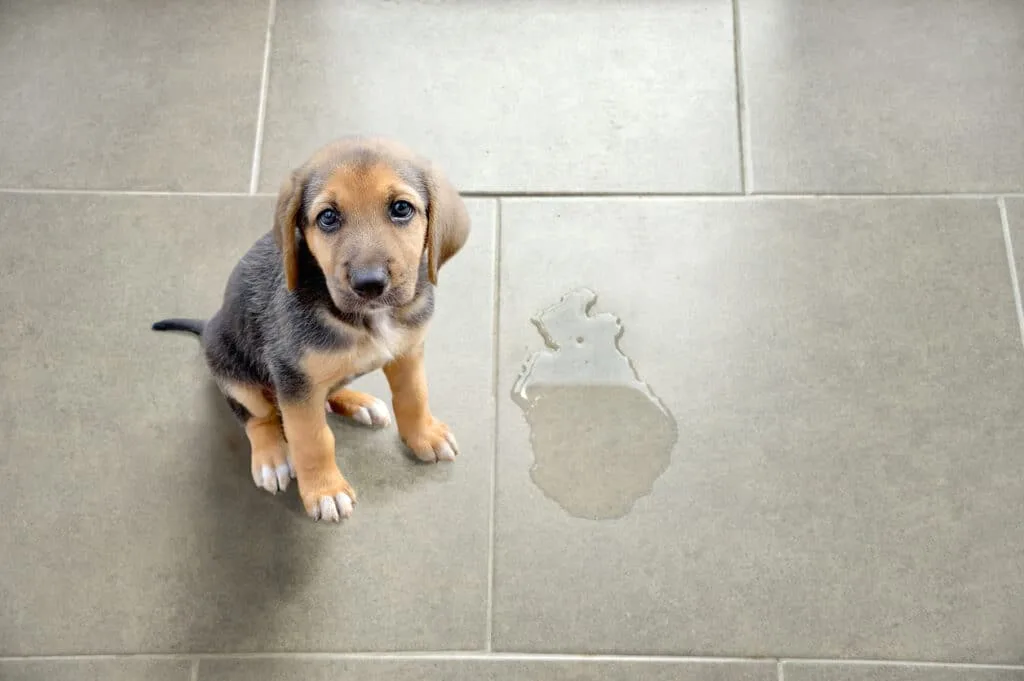
Take your puppy to the chosen bathroom area after waking, after meals, after active play, and frequently throughout the day. Watch for sniffing, circling, or suddenly wandering away from an activity. Reward your puppy immediately after they finish in the correct place.
Indoors, supervise closely or use a safe, appropriately sized pen or crate for short periods when you cannot watch directly. Clean accidents with an enzymatic cleaner and avoid punishment, which can make a puppy afraid to eliminate in front of you. Very young puppies have limited bladder control, so frequent opportunities and patience are essential.
Introduce a crate or resting space positively
A crate or puppy pen can provide a safe place to relax when it is introduced gradually. Begin with the door open, comfortable bedding, and a few treats or toys so your puppy can explore voluntarily. Offer meals nearby or inside if your puppy is comfortable, and build up short periods of calm rest.
Do not use confinement as punishment or expect a young puppy to remain inside for long stretches without a bathroom break. Some puppies settle quickly while others need more time. The goal is a secure resting space, not a place where your puppy is left to struggle or panic.
Manage biting and chewing without punishment
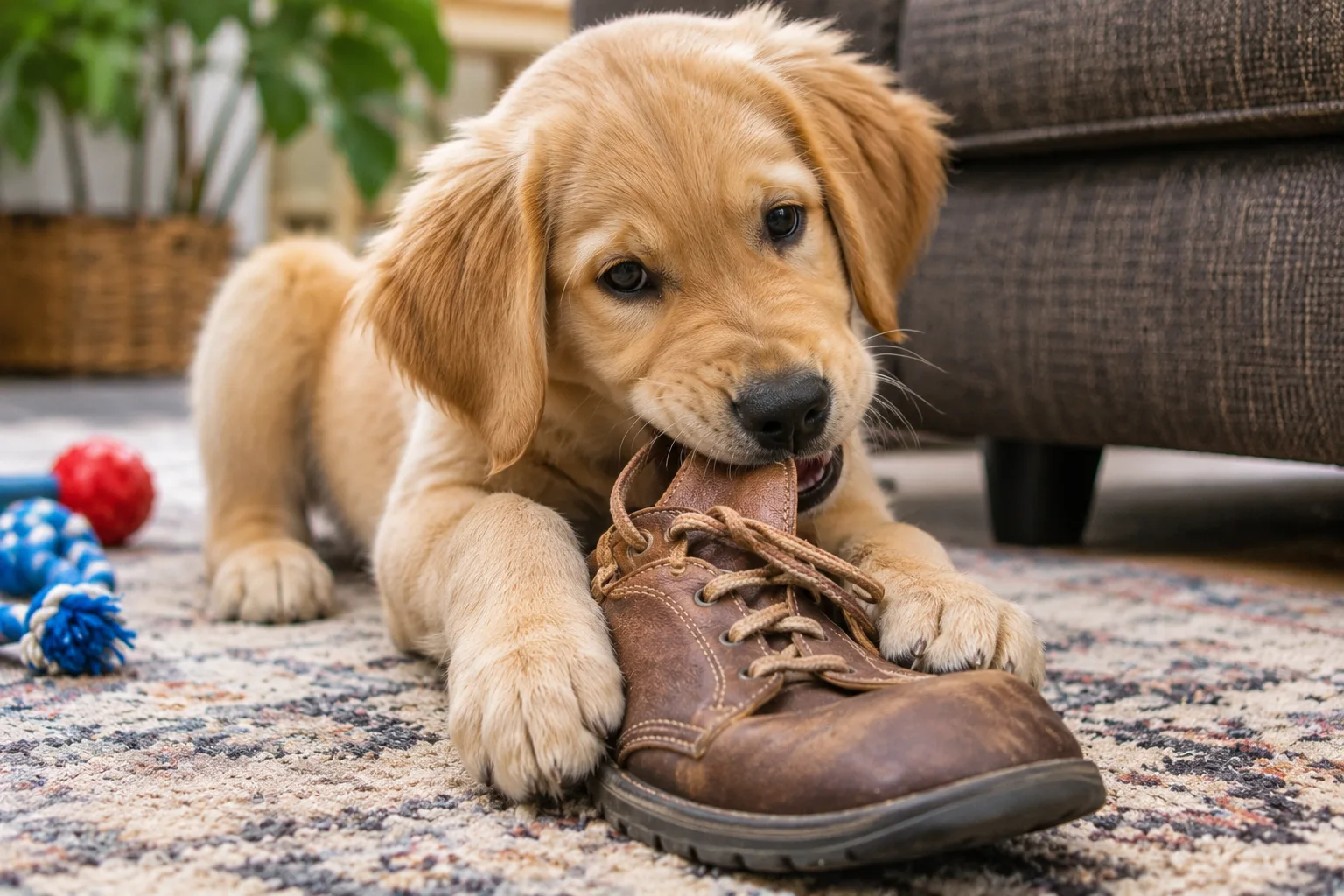
Puppies explore with their mouths and may nip hands, clothing, or furniture, especially when excited or overtired. Keep appropriate chew toys nearby and calmly redirect biting toward them. Pause rough play when necessary and reward gentle interaction.
Make tempting household items inaccessible rather than repeatedly testing your puppy's self-control. If your puppy becomes increasingly mouthy, consider whether they need a nap, a bathroom break, or a quieter activity. Persistent or intense biting that concerns you is a good reason to consult a qualified reward-based trainer or your veterinarian for individualized advice.
Socialize carefully and build confidence
Early socialization is about positive experiences, not meeting as many dogs and people as possible. Introduce your puppy gradually to everyday sounds, different surfaces, visitors, gentle grooming, and safe new environments. Allow your puppy to approach at their own pace and give them room to retreat.
Avoid forcing contact with strangers or unfamiliar dogs. Because vaccination schedules and local disease risks vary, ask your veterinarian which outings and puppy classes are appropriate. A few calm, successful experiences are often more valuable than a crowded, stressful outing that leaves your puppy frightened.
Practice leash manners and polite greetings
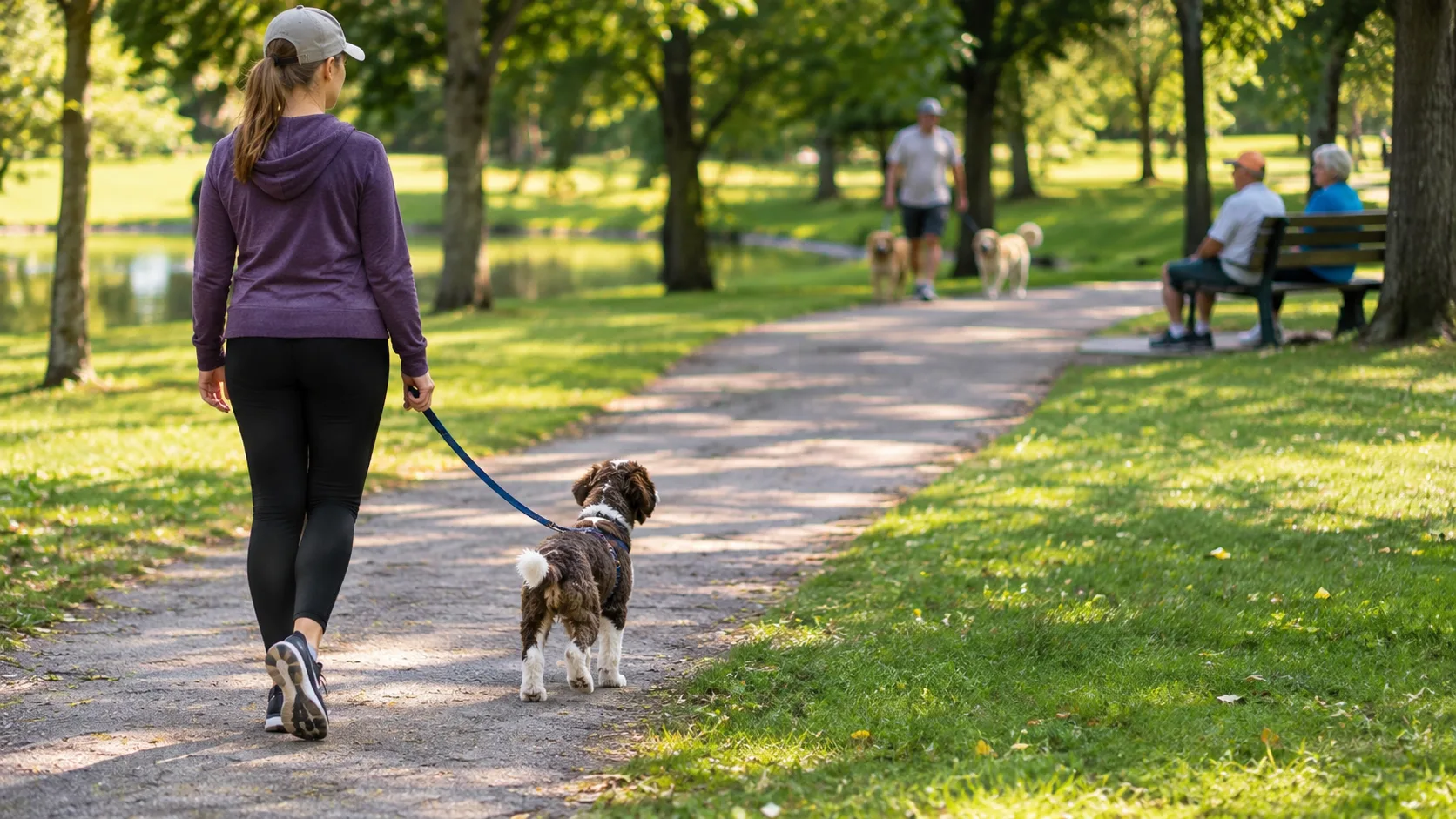
Let your puppy become comfortable wearing a well-fitted collar or harness before expecting a long walk. Practice following you for a few steps indoors or in a safe area, rewarding attention and a loose leash. Gradually introduce outdoor distractions as your puppy becomes ready.
For greetings, reward moments when all four paws remain on the floor and ask visitors to avoid encouraging jumping. Do not expect perfect manners immediately; puppies are learning how to regulate excitement. Short, successful practices are more effective than long sessions that end in frustration.
Know when to ask for extra help
Every puppy learns at a different pace. If housetraining stalls, your puppy seems fearful, separation causes severe distress, or behavior escalates despite consistent gentle practice, ask your veterinarian or a qualified, reward-based trainer for guidance. Sudden behavior changes can sometimes be related to pain or illness and deserve veterinary attention.
Keep a simple record of what happened before difficult behaviors, how your puppy responded, and which strategies helped. Training is a long-term process, and seeking advice early can prevent small challenges from becoming harder to manage.
Teach a name response
Say the puppy's name once in a calm voice and reward a voluntary glance or movement toward you. This matters because decisions about puppy training: building good habits in the first weeks are easier when families and breeders understand the practical details before problems arise. Ask what evidence supports the information you have been given, and distinguish a documented fact from a prediction or sales claim.
If the answer is unclear, request a specific example or written explanation rather than relying on an assumption. Think about how this point affects the individual puppy, the people caring for it, and the plans for the coming weeks. Keep notes on any dates, costs, responsibilities, or next steps that need to be confirmed.
Good preparation is not about finding a perfect situation; it is about identifying questions early, making informed choices, and putting the puppy's welfare ahead of convenience.
Reward behaviors you want
Notice quiet settling, checking in, and walking beside you rather than waiting to correct mistakes. This matters because decisions about puppy training: building good habits in the first weeks are easier when families and breeders understand the practical details before problems arise. Ask what evidence supports the information you have been given, and distinguish a documented fact from a prediction or sales claim.
If the answer is unclear, request a specific example or written explanation rather than relying on an assumption. Think about how this point affects the individual puppy, the people caring for it, and the plans for the coming weeks. Keep notes on any dates, costs, responsibilities, or next steps that need to be confirmed.
Good preparation is not about finding a perfect situation; it is about identifying questions early, making informed choices, and putting the puppy's welfare ahead of convenience.
Practice short recall games
Call from a short distance in a safe area, reward generously, and avoid calling only to end fun. This matters because decisions about puppy training: building good habits in the first weeks are easier when families and breeders understand the practical details before problems arise. Ask what evidence supports the information you have been given, and distinguish a documented fact from a prediction or sales claim.
If the answer is unclear, request a specific example or written explanation rather than relying on an assumption. Think about how this point affects the individual puppy, the people caring for it, and the plans for the coming weeks. Keep notes on any dates, costs, responsibilities, or next steps that need to be confirmed.
Good preparation is not about finding a perfect situation; it is about identifying questions early, making informed choices, and putting the puppy's welfare ahead of convenience.
Introduce leash equipment gently
Allow the puppy to investigate a comfortable harness and practice indoors before distracting outings. This matters because decisions about puppy training: building good habits in the first weeks are easier when families and breeders understand the practical details before problems arise. Ask what evidence supports the information you have been given, and distinguish a documented fact from a prediction or sales claim.
If the answer is unclear, request a specific example or written explanation rather than relying on an assumption. Think about how this point affects the individual puppy, the people caring for it, and the plans for the coming weeks. Keep notes on any dates, costs, responsibilities, or next steps that need to be confirmed.
Good preparation is not about finding a perfect situation; it is about identifying questions early, making informed choices, and putting the puppy's welfare ahead of convenience.
Prevent unwanted chewing
Offer appropriate chew toys, supervise closely, and move unsafe objects out of reach. This matters because decisions about puppy training: building good habits in the first weeks are easier when families and breeders understand the practical details before problems arise. Ask what evidence supports the information you have been given, and distinguish a documented fact from a prediction or sales claim.
If the answer is unclear, request a specific example or written explanation rather than relying on an assumption. Think about how this point affects the individual puppy, the people caring for it, and the plans for the coming weeks. Keep notes on any dates, costs, responsibilities, or next steps that need to be confirmed.
Good preparation is not about finding a perfect situation; it is about identifying questions early, making informed choices, and putting the puppy's welfare ahead of convenience.
Make handling positive
Pair brief paw, ear, and mouth handling with rewards so grooming and veterinary visits are less stressful. This matters because decisions about puppy training: building good habits in the first weeks are easier when families and breeders understand the practical details before problems arise. Ask what evidence supports the information you have been given, and distinguish a documented fact from a prediction or sales claim.
If the answer is unclear, request a specific example or written explanation rather than relying on an assumption. Think about how this point affects the individual puppy, the people caring for it, and the plans for the coming weeks. Keep notes on any dates, costs, responsibilities, or next steps that need to be confirmed.
Good preparation is not about finding a perfect situation; it is about identifying questions early, making informed choices, and putting the puppy's welfare ahead of convenience.
Track progress without rushing
Training should be brief, age-appropriate, and adjusted to the puppy's confidence and energy. This matters because decisions about puppy training: building good habits in the first weeks are easier when families and breeders understand the practical details before problems arise. Ask what evidence supports the information you have been given, and distinguish a documented fact from a prediction or sales claim.
If the answer is unclear, request a specific example or written explanation rather than relying on an assumption. Think about how this point affects the individual puppy, the people caring for it, and the plans for the coming weeks. Keep notes on any dates, costs, responsibilities, or next steps that need to be confirmed.
Good preparation is not about finding a perfect situation; it is about identifying questions early, making informed choices, and putting the puppy's welfare ahead of convenience.
Helpful tools for positive puppy training
Choose comfortable, age-appropriate equipment and pair it with short, positive practice sessions.
As an Amazon Associate, Reserve a Pup earns from qualifying purchases. These links open Amazon searches; prices, availability and products are determined by Amazon.