Key takeaways
- Take your puppy to the same appropriate bathroom area after waking, eating, drinking, and active play.
- When your puppy eliminates in the correct place, reward them right away with praise or a small treat.
- Supervise your puppy closely indoors and watch for sniffing, circling, or suddenly moving away.
Set up a consistent routine
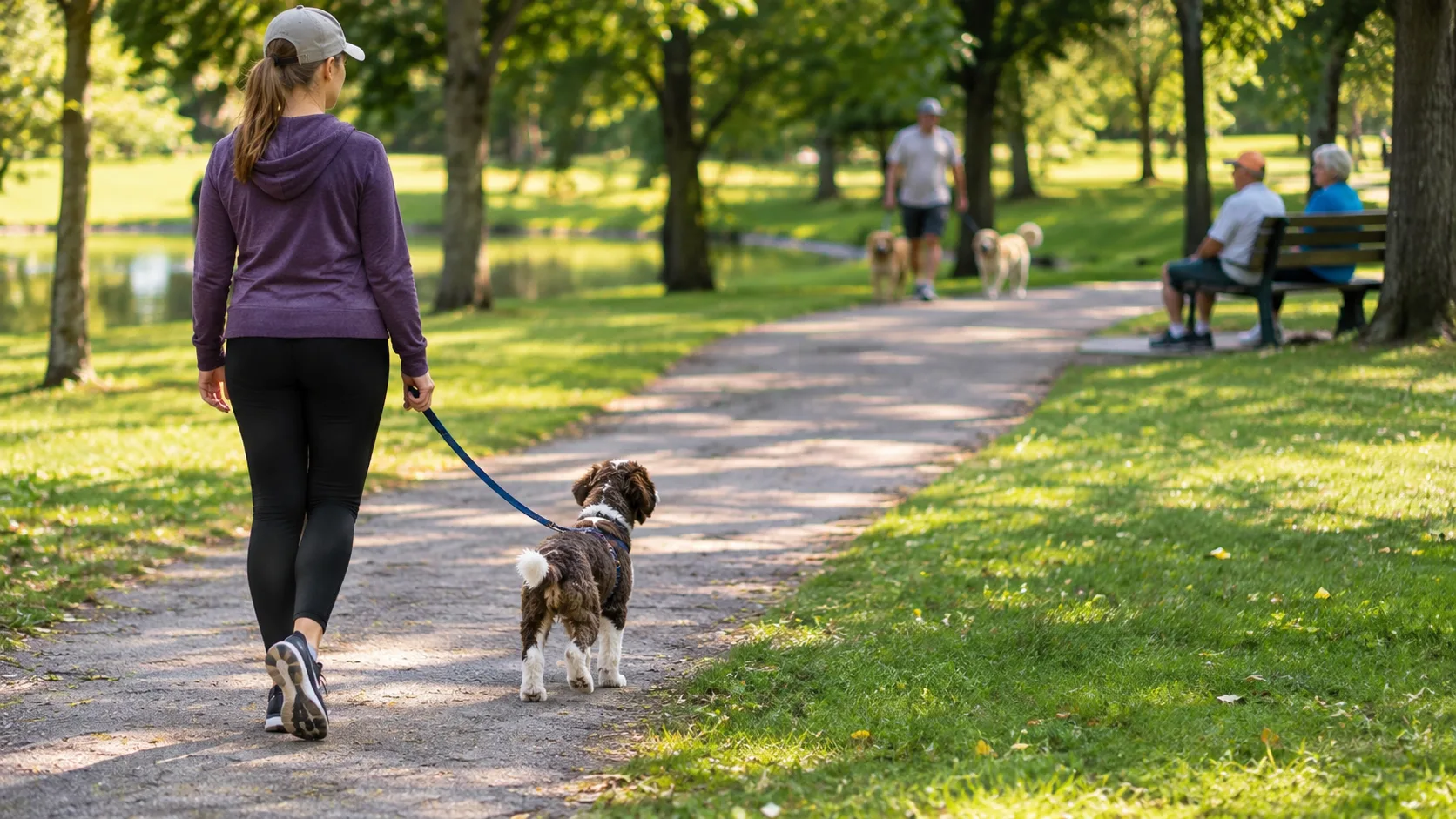
Take your puppy to the same appropriate bathroom area after waking, eating, drinking, and active play. Very young puppies may need frequent trips throughout the day and overnight because bladder control develops gradually. Choose a cue you can use calmly and consistently.
Keep a record of meals, naps, bathroom trips, and accidents for a few days to recognize patterns. The schedule should fit the puppy's age and needs rather than a rigid rule.
Reward success immediately
When your puppy eliminates in the correct place, reward them right away with praise or a small treat. Immediate reinforcement helps connect the action with the reward. Keep outdoor trips focused at first, then allow a little play or exploration afterward.
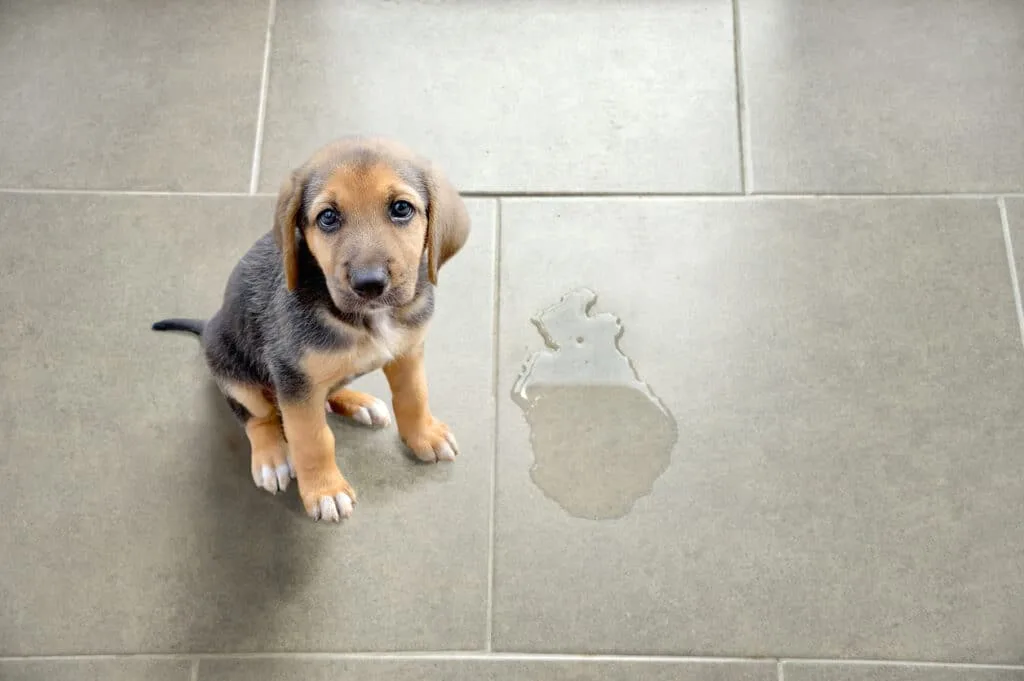
If the puppy does not go, return indoors with supervision and try again soon. Punishing accidents can teach a puppy to hide rather than help them understand where to go.
Prevent accidents through management
Supervise your puppy closely indoors and watch for sniffing, circling, or suddenly moving away. Use baby gates or a suitable pen to limit access to rooms when you cannot supervise directly. A crate can be useful if introduced positively and sized appropriately, but it should never be used to force a puppy to wait beyond their physical capacity.
Clean accidents thoroughly with an enzymatic cleaner. Expect setbacks during illness, travel, or changes in routine.
Know when to seek help
Progress is rarely perfectly linear. If your puppy suddenly starts having frequent accidents after doing well, strains to urinate, seems uncomfortable, or drinks excessively, contact a veterinarian to rule out medical causes. For persistent training difficulties, a qualified reward-based trainer can help assess the routine. Consistency, supervision, and realistic expectations are the foundation of successful housetraining.
Set realistic expectations
Young puppies have limited bladder control and need more frequent opportunities than adult dogs. This matters because decisions about puppy potty training: a beginner's guide are easier when families and breeders understand the practical details before problems arise. Ask what evidence supports the information you have been given, and distinguish a documented fact from a prediction or sales claim.
If the answer is unclear, request a specific example or written explanation rather than relying on an assumption. Think about how this point affects the individual puppy, the people caring for it, and the plans for the coming weeks. Keep notes on any dates, costs, responsibilities, or next steps that need to be confirmed.
Good preparation is not about finding a perfect situation; it is about identifying questions early, making informed choices, and putting the puppy's welfare ahead of convenience.
Choose a consistent bathroom spot
A familiar, appropriate area and a calm cue can make routines easier to understand. This matters because decisions about puppy potty training: a beginner's guide are easier when families and breeders understand the practical details before problems arise. Ask what evidence supports the information you have been given, and distinguish a documented fact from a prediction or sales claim.
If the answer is unclear, request a specific example or written explanation rather than relying on an assumption. Think about how this point affects the individual puppy, the people caring for it, and the plans for the coming weeks. Keep notes on any dates, costs, responsibilities, or next steps that need to be confirmed.
Good preparation is not about finding a perfect situation; it is about identifying questions early, making informed choices, and putting the puppy's welfare ahead of convenience.
Go out after predictable events
Waking, meals, drinks, and energetic play are common times to offer a bathroom break. This matters because decisions about puppy potty training: a beginner's guide are easier when families and breeders understand the practical details before problems arise. Ask what evidence supports the information you have been given, and distinguish a documented fact from a prediction or sales claim.
If the answer is unclear, request a specific example or written explanation rather than relying on an assumption. Think about how this point affects the individual puppy, the people caring for it, and the plans for the coming weeks. Keep notes on any dates, costs, responsibilities, or next steps that need to be confirmed.
Good preparation is not about finding a perfect situation; it is about identifying questions early, making informed choices, and putting the puppy's welfare ahead of convenience.
Reward immediately
Praise or a small treat right after success helps the puppy connect the behavior with the location. This matters because decisions about puppy potty training: a beginner's guide are easier when families and breeders understand the practical details before problems arise. Ask what evidence supports the information you have been given, and distinguish a documented fact from a prediction or sales claim.
If the answer is unclear, request a specific example or written explanation rather than relying on an assumption. Think about how this point affects the individual puppy, the people caring for it, and the plans for the coming weeks. Keep notes on any dates, costs, responsibilities, or next steps that need to be confirmed.
Good preparation is not about finding a perfect situation; it is about identifying questions early, making informed choices, and putting the puppy's welfare ahead of convenience.
Supervise indoors
Watch for sniffing, circling, or leaving the room, and interrupt gently to offer an outdoor trip. This matters because decisions about puppy potty training: a beginner's guide are easier when families and breeders understand the practical details before problems arise. Ask what evidence supports the information you have been given, and distinguish a documented fact from a prediction or sales claim.
If the answer is unclear, request a specific example or written explanation rather than relying on an assumption. Think about how this point affects the individual puppy, the people caring for it, and the plans for the coming weeks. Keep notes on any dates, costs, responsibilities, or next steps that need to be confirmed.
Good preparation is not about finding a perfect situation; it is about identifying questions early, making informed choices, and putting the puppy's welfare ahead of convenience.
Use gates and pens wisely
Limiting unsupervised access helps prevent accidents without relying on punishment. This matters because decisions about puppy potty training: a beginner's guide are easier when families and breeders understand the practical details before problems arise. Ask what evidence supports the information you have been given, and distinguish a documented fact from a prediction or sales claim.
If the answer is unclear, request a specific example or written explanation rather than relying on an assumption. Think about how this point affects the individual puppy, the people caring for it, and the plans for the coming weeks. Keep notes on any dates, costs, responsibilities, or next steps that need to be confirmed.
Good preparation is not about finding a perfect situation; it is about identifying questions early, making informed choices, and putting the puppy's welfare ahead of convenience.
Introduce a crate positively
A properly sized crate can support routines but should never force a puppy to hold urine too long. This matters because decisions about puppy potty training: a beginner's guide are easier when families and breeders understand the practical details before problems arise. Ask what evidence supports the information you have been given, and distinguish a documented fact from a prediction or sales claim.
If the answer is unclear, request a specific example or written explanation rather than relying on an assumption. Think about how this point affects the individual puppy, the people caring for it, and the plans for the coming weeks. Keep notes on any dates, costs, responsibilities, or next steps that need to be confirmed.
Good preparation is not about finding a perfect situation; it is about identifying questions early, making informed choices, and putting the puppy's welfare ahead of convenience.
Clean accidents thoroughly
Use an enzymatic cleaner and avoid scolding, which may make a puppy hide when eliminating. This matters because decisions about puppy potty training: a beginner's guide are easier when families and breeders understand the practical details before problems arise. Ask what evidence supports the information you have been given, and distinguish a documented fact from a prediction or sales claim.
If the answer is unclear, request a specific example or written explanation rather than relying on an assumption. Think about how this point affects the individual puppy, the people caring for it, and the plans for the coming weeks. Keep notes on any dates, costs, responsibilities, or next steps that need to be confirmed.
Good preparation is not about finding a perfect situation; it is about identifying questions early, making informed choices, and putting the puppy's welfare ahead of convenience.
Plan for nighttime
Some puppies need overnight breaks; keep them quiet and predictable rather than turning them into playtime. This matters because decisions about puppy potty training: a beginner's guide are easier when families and breeders understand the practical details before problems arise. Ask what evidence supports the information you have been given, and distinguish a documented fact from a prediction or sales claim.
If the answer is unclear, request a specific example or written explanation rather than relying on an assumption. Think about how this point affects the individual puppy, the people caring for it, and the plans for the coming weeks. Keep notes on any dates, costs, responsibilities, or next steps that need to be confirmed.
Good preparation is not about finding a perfect situation; it is about identifying questions early, making informed choices, and putting the puppy's welfare ahead of convenience.
Adapt for apartments and weather
Distance to an outdoor area, stairs, and severe weather may require more advance planning. This matters because decisions about puppy potty training: a beginner's guide are easier when families and breeders understand the practical details before problems arise. Ask what evidence supports the information you have been given, and distinguish a documented fact from a prediction or sales claim.
If the answer is unclear, request a specific example or written explanation rather than relying on an assumption. Think about how this point affects the individual puppy, the people caring for it, and the plans for the coming weeks. Keep notes on any dates, costs, responsibilities, or next steps that need to be confirmed.
Good preparation is not about finding a perfect situation; it is about identifying questions early, making informed choices, and putting the puppy's welfare ahead of convenience.
Expect setbacks
Illness, travel, changes in schedule, and growth can temporarily affect progress. This matters because decisions about puppy potty training: a beginner's guide are easier when families and breeders understand the practical details before problems arise. Ask what evidence supports the information you have been given, and distinguish a documented fact from a prediction or sales claim.
If the answer is unclear, request a specific example or written explanation rather than relying on an assumption. Think about how this point affects the individual puppy, the people caring for it, and the plans for the coming weeks. Keep notes on any dates, costs, responsibilities, or next steps that need to be confirmed.
Good preparation is not about finding a perfect situation; it is about identifying questions early, making informed choices, and putting the puppy's welfare ahead of convenience.
Rule out medical concerns
Sudden frequent urination, straining, or persistent accidents may need veterinary assessment. This matters because decisions about puppy potty training: a beginner's guide are easier when families and breeders understand the practical details before problems arise. Ask what evidence supports the information you have been given, and distinguish a documented fact from a prediction or sales claim.
If the answer is unclear, request a specific example or written explanation rather than relying on an assumption. Think about how this point affects the individual puppy, the people caring for it, and the plans for the coming weeks. Keep notes on any dates, costs, responsibilities, or next steps that need to be confirmed.
Good preparation is not about finding a perfect situation; it is about identifying questions early, making informed choices, and putting the puppy's welfare ahead of convenience.
Helpful tools for positive puppy training
Choose comfortable, age-appropriate equipment and pair it with short, positive practice sessions.
As an Amazon Associate, Reserve a Pup earns from qualifying purchases. These links open Amazon searches; prices, availability and products are determined by Amazon.