Key takeaways
- Ask which hip-screening method was used and request the actual results.
- OFA and PennHIP measure different aspects of hip health; their results are not interchangeable.
- Screening helps breeding decisions but cannot guarantee the health of every puppy.
Health information: This guide is educational and is not a diagnosis or a substitute for individual veterinary advice. Contact your veterinarian about concerns with your puppy or dog.
Why breeders screen hips
Hip screening provides information about joint structure or laxity that can inform breeding decisions. It is one part of a wider health program that also considers temperament, other inherited conditions, and overall welfare.
What healthy hips and hip dysplasia look like on X-rays
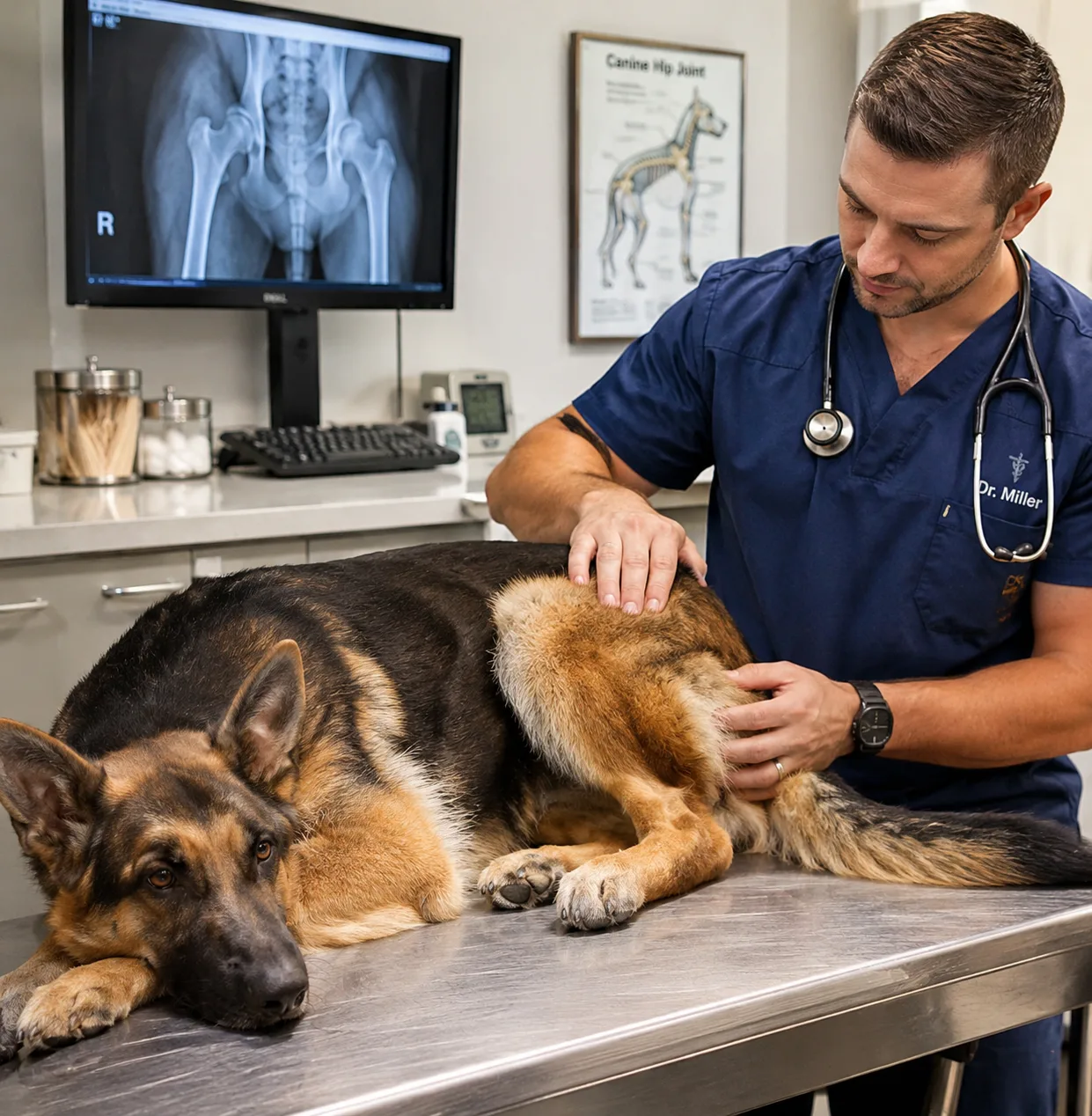
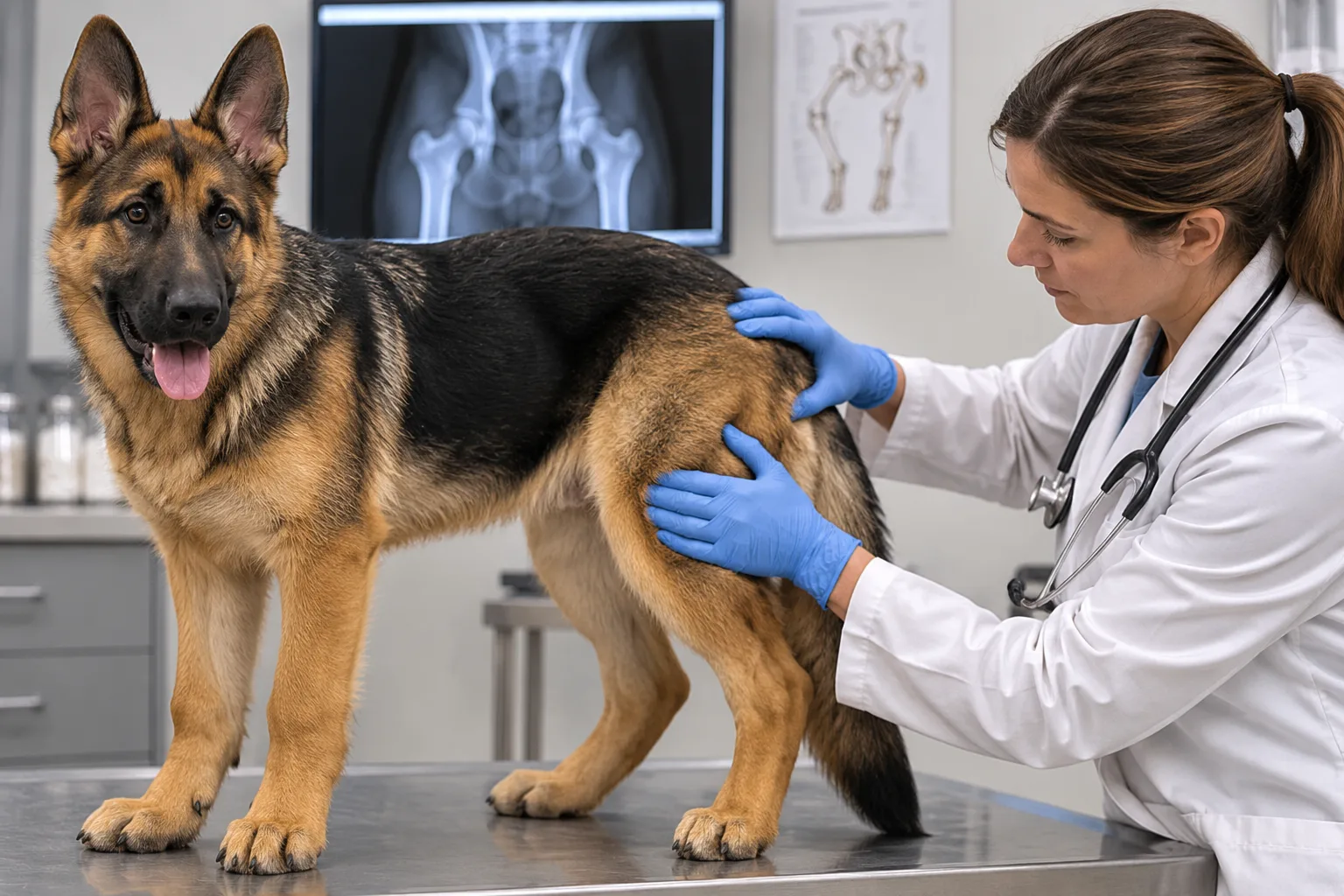
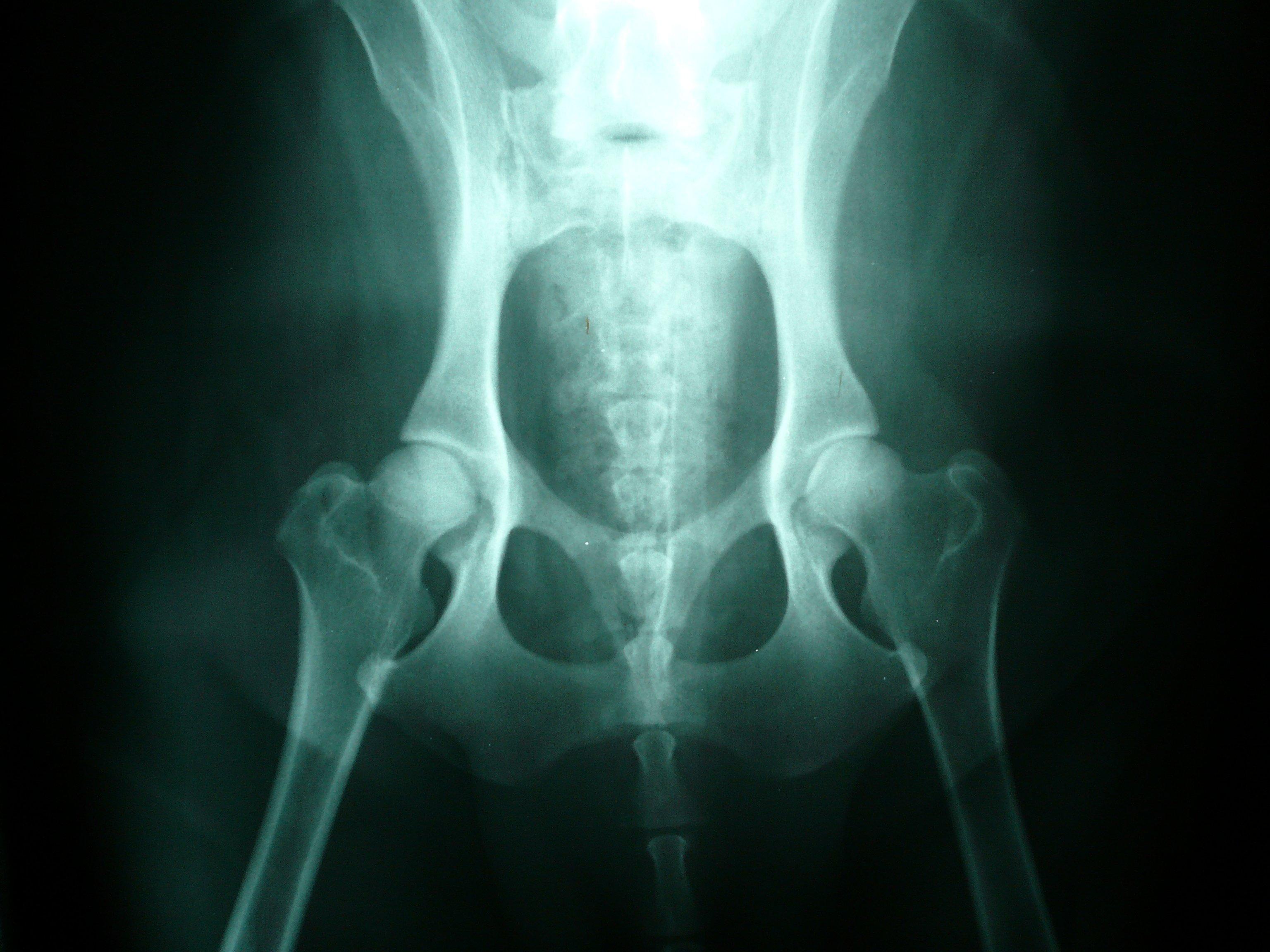
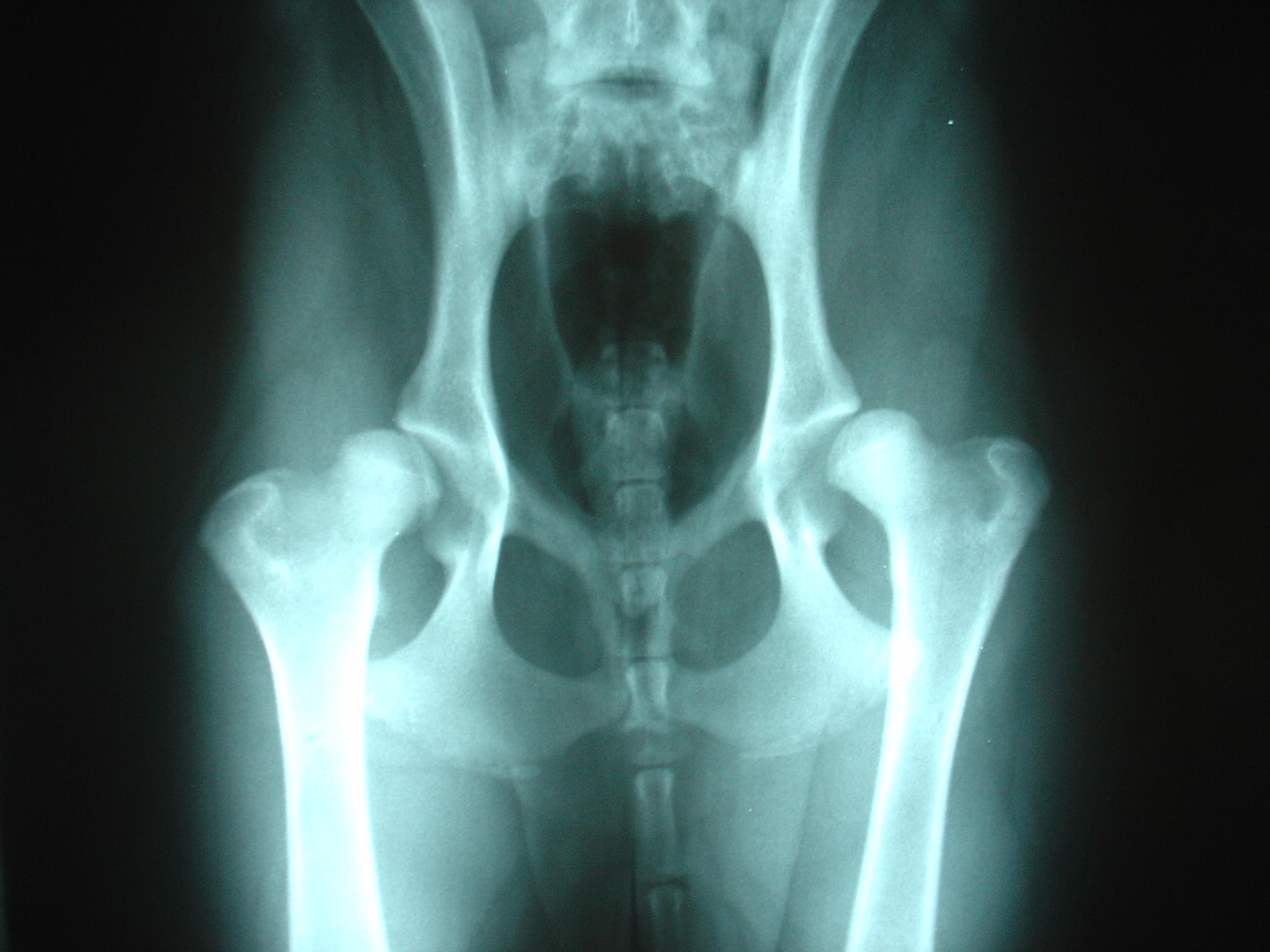
These real canine pelvic radiographs show different hip-joint appearances. The examples are educational: only a veterinarian or veterinary radiologist can interpret an individual dog's imaging.
Radiographic evaluation
Hip screening often involves specialized X-rays with careful positioning. The veterinarian may recommend sedation or anesthesia to obtain diagnostic images safely. The screening method determines how images are interpreted.
Different programs measure different things
Some programs assess hip conformation, while others evaluate joint laxity. Results are not necessarily interchangeable. Ask which organization or method was used and how the score or grade should be understood.
Age and timing matter
Some methods allow earlier assessment, while final certification under other programs requires a minimum age. An early result should not automatically be represented as a final adult certification. Verify the timing and type of result.
Screening does not guarantee puppies
Hip dysplasia has a complex inherited component and can be influenced by environmental factors. Two screened parents can still produce an affected puppy. Screening reduces uncertainty; it does not eliminate it.
Ask to see actual documentation
Buyers can request registered names, screening dates, results, and any public verification details. A verbal statement that the parents have good hips is less informative than documented findings.
Consider the full breeding picture
Hip scores should not overshadow other recommended health tests, temperament, living conditions, and puppy care. A breeder should explain how all available information influenced the pairing.
Discuss puppy management
Ask about appropriate growth nutrition, body condition, and activity. Continue veterinary wellness care and seek assessment if mobility concerns develop. Responsible breeding and responsible puppy raising work together.
How buyers can verify results
Ask for the registered identity of each parent, the screening method, the date of examination, and the reported result. Where public databases are available, check the record independently. Be cautious when only an informal verbal description is offered.
Screening versus a routine examination
A general wellness examination can identify many health concerns but may not include specialized hip imaging. Likewise, a DNA panel does not replace an orthopedic assessment for a complex condition such as hip dysplasia.
What results do not tell you
A favorable screening result does not guarantee that every offspring will have healthy hips. Breeding decisions involve multiple inherited and environmental factors. Ask how the breeder evaluates the wider family and balances other health priorities.
Discuss the puppy's future care
Even with screened parents, feed appropriately, maintain a healthy body condition, and seek veterinary advice for persistent mobility changes. Screening and good management are complementary rather than interchangeable.
A practical OFA versus PennHIP comparison
OFA evaluates the appearance and fit of the hip joints on specially positioned radiographs and assigns a hip grade. Final OFA hip certification generally requires a dog to be at least 24 months old; younger dogs may receive preliminary evaluations. PennHIP uses specialized radiographic views to measure hip joint laxity and reports a distraction index.
PennHIP can be performed earlier in life by appropriately trained veterinarians. These systems answer related but different questions, so do not compare a PennHIP numerical result directly with an OFA grade. Your veterinarian can help interpret the result for a particular breed or dog.
What a buyer should request from a breeder
Ask for both parents' registered names, screening dates, the organization or method used, and the actual documented results. Where a screening registry provides public records, use the registered identity to verify them instead of relying on a screenshot without identifying details. Also ask about elbow evaluations and other breed-recommended health tests, because healthy hips are only one part of a responsible breeding program.
A general wellness visit and a commercial DNA panel do not replace appropriate orthopedic radiographs. A conscientious breeder should be comfortable discussing both favorable findings and the limits of testing.
How to interpret results responsibly
A better screening result can inform decisions, but no test predicts the exact future health of every puppy. Hip dysplasia has complex inheritance, and weight, growth and other factors also affect symptoms and joint stress. Consider the wider family health history rather than evaluating one certificate in isolation.
If you already have a puppy, the presence or absence of parental screenings does not change the need for veterinary assessment if that puppy shows pain or mobility changes. Maintain a lean body condition and follow individual exercise and nutrition advice while the dog matures.
Trusted organizations to consult
Explore these independent educational resources. Linking to them does not mean this article has been reviewed or endorsed by their organizations.
- Canine hip dysplasia and screening ↗Orthopedic Foundation for Animals
- What hip grades mean ↗Orthopedic Foundation for Animals
Helpful supplies for joint comfort
Practical home aids can make movement easier. These are product categories to discuss with your veterinarian, not treatments for hip dysplasia.
Joint supplements do not correct abnormal hip structure. Check ingredients, dose and medication interactions with your veterinarian before buying.
As an Amazon Associate, Reserve a Pup earns from qualifying purchases. These links open Amazon searches; prices, availability and products are determined by Amazon.