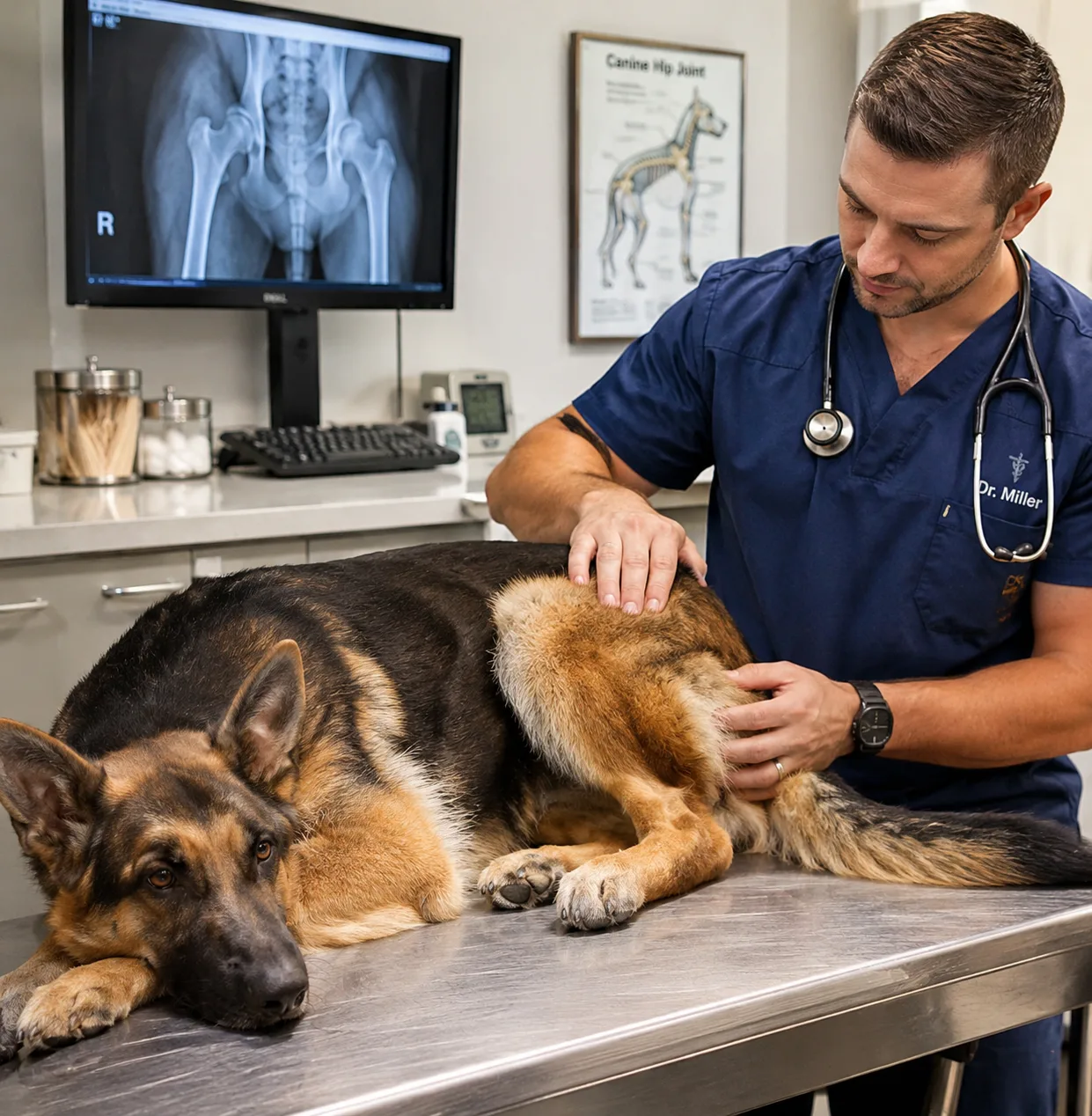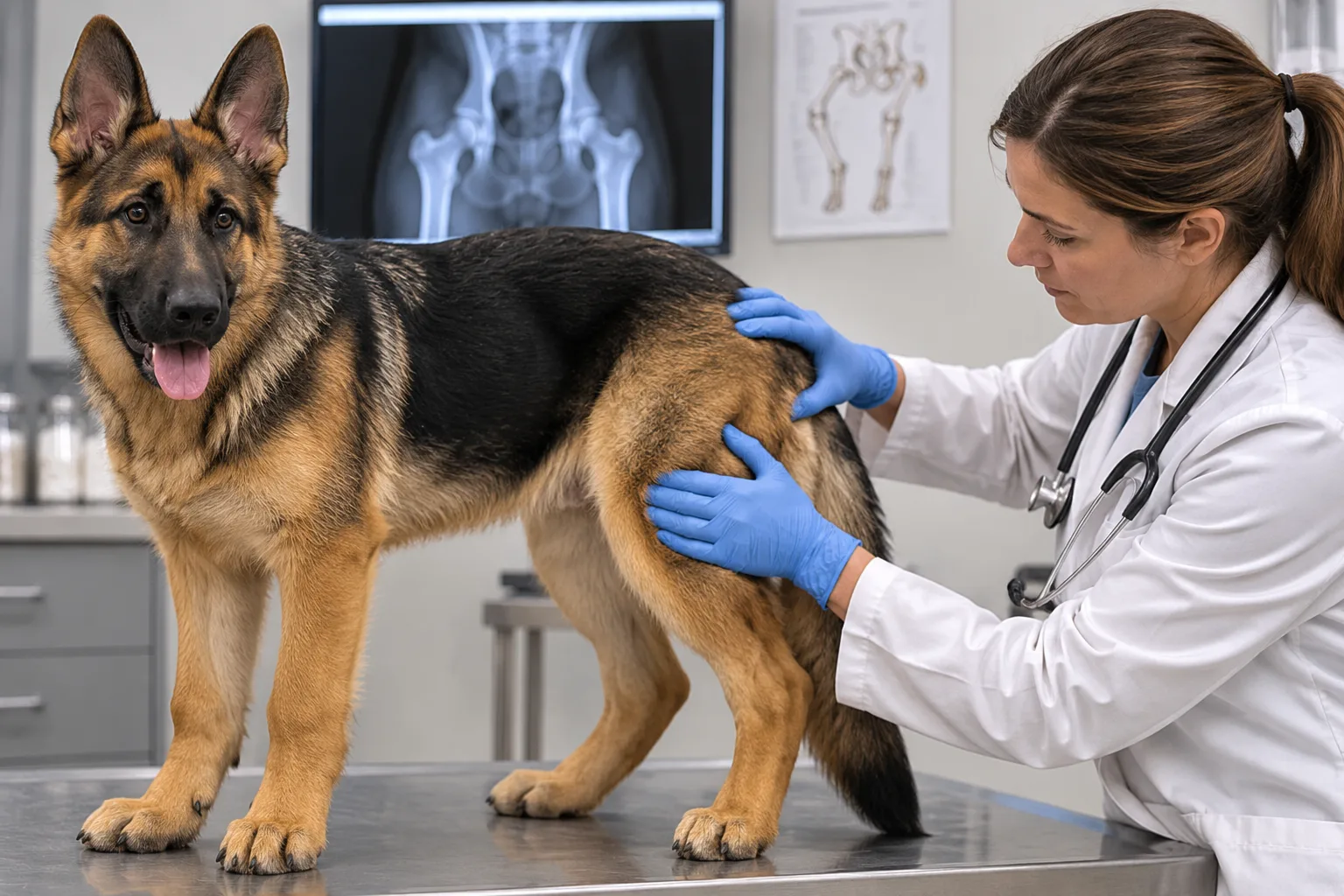

Key takeaways
- Hip dysplasia affects many breeds, including smaller and mixed-breed dogs.
- Family history and documented parental testing matter more than breed stereotypes alone.
- Persistent pain, limping or difficulty rising deserves veterinary assessment.
Health information: This guide is educational and is not a diagnosis or a substitute for individual veterinary advice. Contact your veterinarian about concerns with your puppy or dog.
Risk is not limited to one breed
Hip dysplasia can occur in dogs of many sizes and mixed ancestry. Some large and giant breeds have well-recognized risk, but small dogs are not immune. An individual puppy's risk cannot be determined by breed name alone.
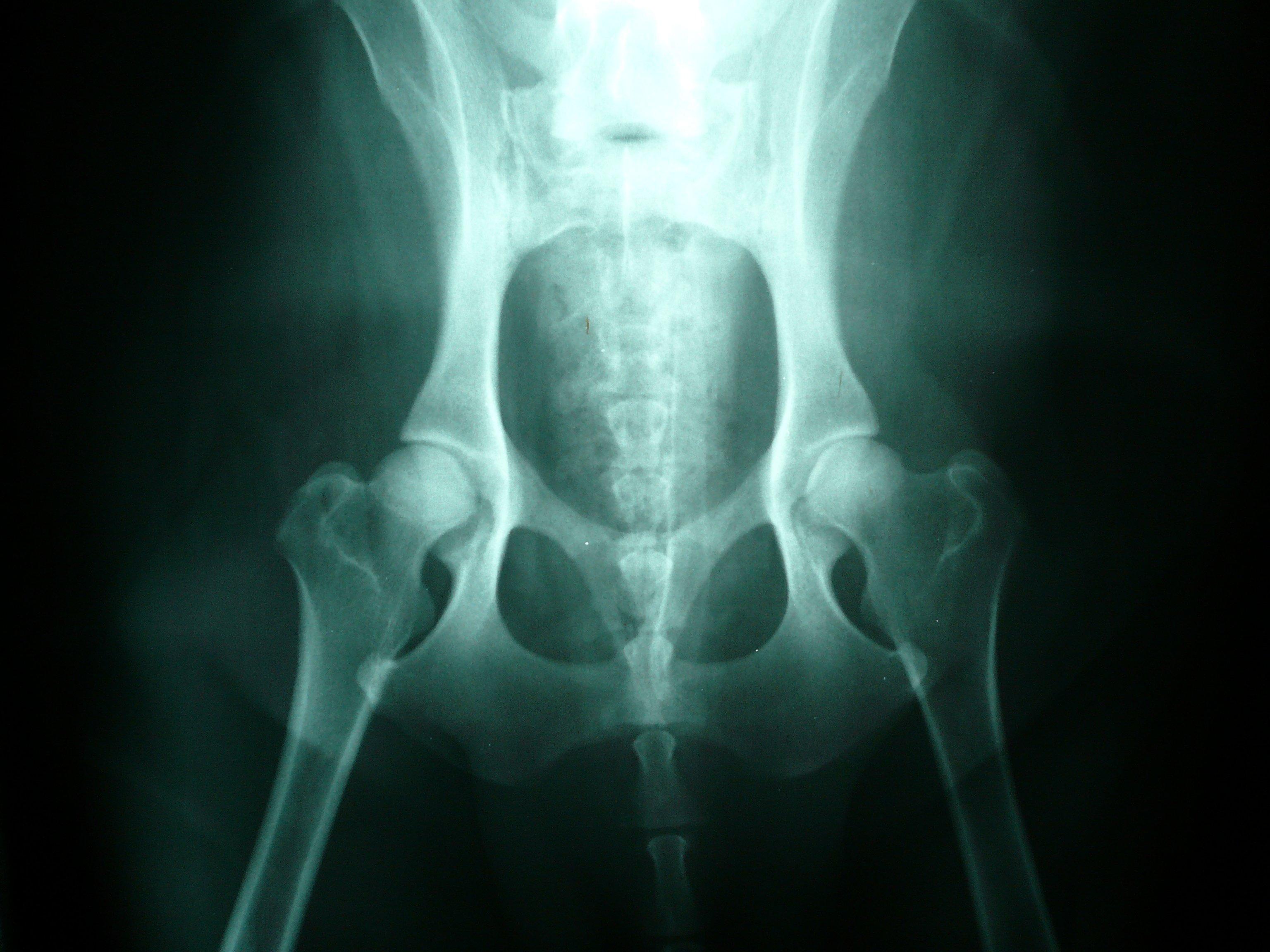
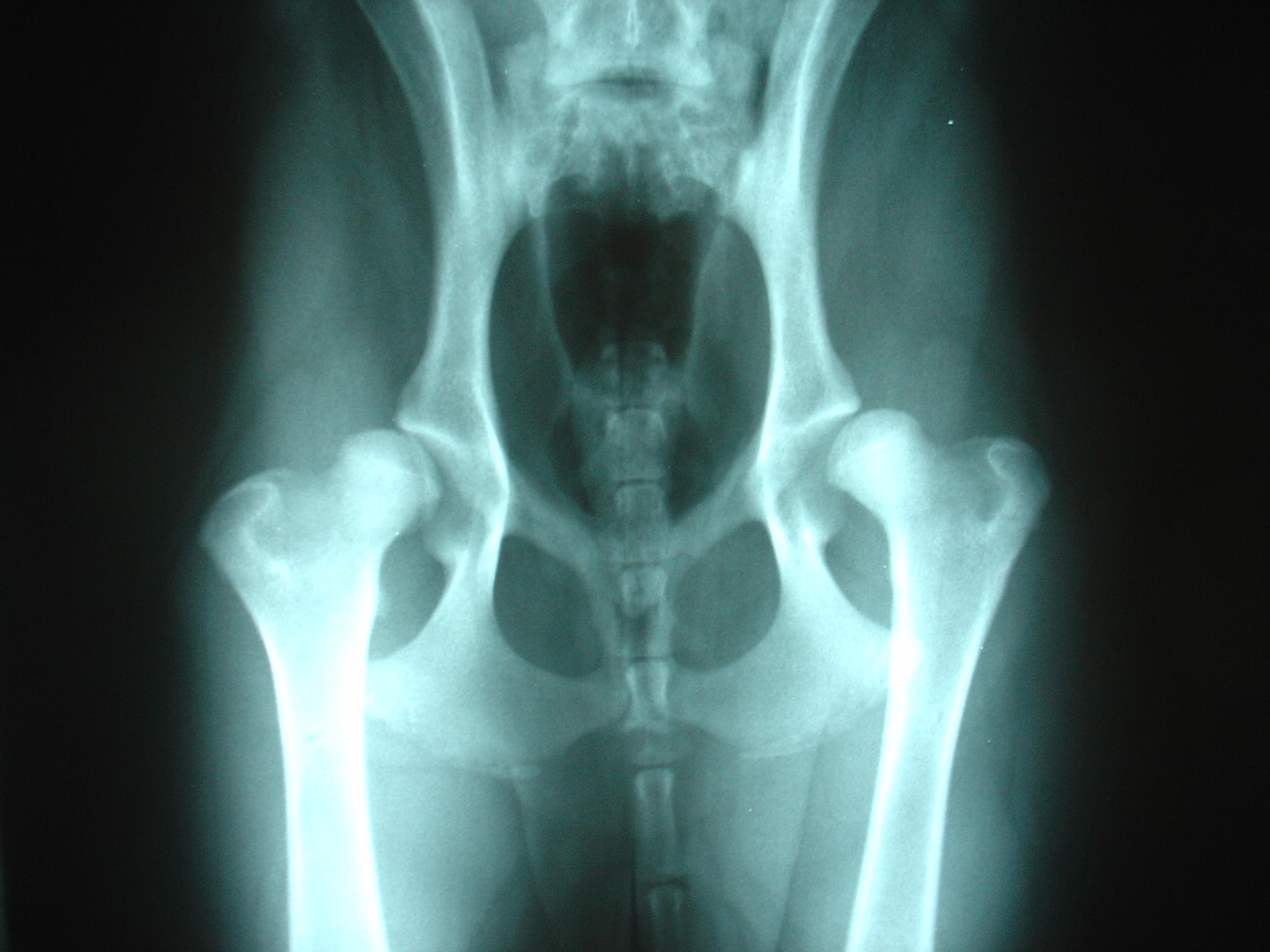
What healthy hips and hip dysplasia look like on X-rays
These real canine pelvic radiographs show different hip-joint appearances. The examples are educational: only a veterinarian or veterinary radiologist can interpret an individual dog's imaging.
Commonly discussed larger breeds
Labrador Retrievers, Golden Retrievers, German Shepherd Dogs, Rottweilers, and several giant breeds are among dogs for which hip screening is frequently discussed. Prevalence estimates vary by population and screening program, so avoid treating one ranking as universal.
Inherited factors
Hip dysplasia is complex and influenced by multiple genes. A clear result in a parent lowers some concerns but does not guarantee normal hips in offspring. Ask about screening across the family where records are available.
Growth and body condition
Overfeeding and excessive weight can increase stress on developing joints. Large-breed growth diets and regular body-condition assessments may help manage modifiable risks. Do not restrict essential nutrients or calories without veterinary guidance.
Appropriate activity
Puppies need movement, play, and opportunities to develop coordination. Avoid forcing exhausting repetitive activity, especially if discomfort appears. Exercise recommendations should be adapted to the individual and not based solely on a breed stereotype.
How screening programs work
Veterinary hip radiographs may be evaluated through established programs, depending on the country and breeder's approach. Ask for the actual results and understand the method, age, and limitations.
What buyers should ask
Discuss parental hip evaluations, related orthopedic conditions, family history, nutrition, and the breeder's health contract. Ask whether records are available for independent verification.
Signs are more important than assumptions
A dog from a predisposed breed may have healthy hips, while another dog may develop problems unexpectedly. If a puppy limps, struggles to rise, or avoids movement, seek veterinary advice regardless of breed.
Avoid assuming all large dogs are affected
Breed-associated risk describes patterns across populations, not the future of one puppy. Many large dogs have healthy hips, and some smaller dogs develop hip disease. Ask about the actual family health history rather than relying on stereotypes.
Why breeder records matter
Request screening information for both parents and ask which program assessed the hips. A breeder should explain the results and any limitations. Claims such as 'vet checked' do not necessarily mean formal orthopedic screening was completed.
Support healthy growth
Choose an appropriate complete growth diet, avoid excess calories, and provide self-paced activity. Maintaining a lean body condition can reduce joint stress. Do not give mineral supplements to accelerate growth.
Watch the individual dog
Persistent lameness, reluctance to rise, or difficulty with movement deserves veterinary attention regardless of the dog's breed. Early evaluation may reveal treatable injuries or developmental conditions.
Compare individual risk rather than relying on a breed list
Two dogs of the same breed can have very different orthopedic histories. Ask the breeder whether the puppy's parents had formal hip evaluations, which organization reviewed the images and what the results showed. Ask about affected close relatives as well.
Some breeds commonly discussed in connection with hip dysplasia include Labradors, Goldens and German Shepherd Dogs, but prevalence varies with the population being studied. Small and mixed-breed dogs are not immune. Breed-specific screening recommendations can be a useful starting point, but they do not substitute for evaluating an individual breeding pair's records.
What hip-screening results can and cannot tell you
A documented hip result is useful evidence, not a lifetime guarantee. OFA grades hip conformation from radiographs, while PennHIP includes measurements of joint laxity. Age at testing and the type of evaluation matter; a preliminary assessment is not automatically the same as a final adult certification.
Ask for the dogs' registered names and dates so you can check the records independently where public lookup is offered. Screening can help reduce hereditary risk through careful breeding decisions, but environmental influences and many genes also affect whether an individual puppy develops clinical problems.
Supporting healthy joints once the puppy is home
Choose a complete food appropriate for your puppy's growth stage and expected adult size, monitor body condition, and allow regular self-paced activity. For large or giant puppies, discuss growth nutrition and calcium balance with your veterinarian rather than adding supplements on your own. Use nonslip mats in areas where the puppy scrambles and avoid repetitive forced endurance exercise. Most importantly, observe the individual dog: persistent limping, stiffness after rest, difficulty rising or reluctance to move should prompt a veterinary assessment regardless of breed.
Trusted organizations to consult
Explore these independent educational resources. Linking to them does not mean this article has been reviewed or endorsed by their organizations.
- Canine hip dysplasia and screening ↗Orthopedic Foundation for Animals
- What hip grades mean ↗Orthopedic Foundation for Animals
Helpful supplies for joint comfort
Practical home aids can make movement easier. These are product categories to discuss with your veterinarian, not treatments for hip dysplasia.
Joint supplements do not correct abnormal hip structure. Check ingredients, dose and medication interactions with your veterinarian before buying.
As an Amazon Associate, Reserve a Pup earns from qualifying purchases. These links open Amazon searches; prices, availability and products are determined by Amazon.