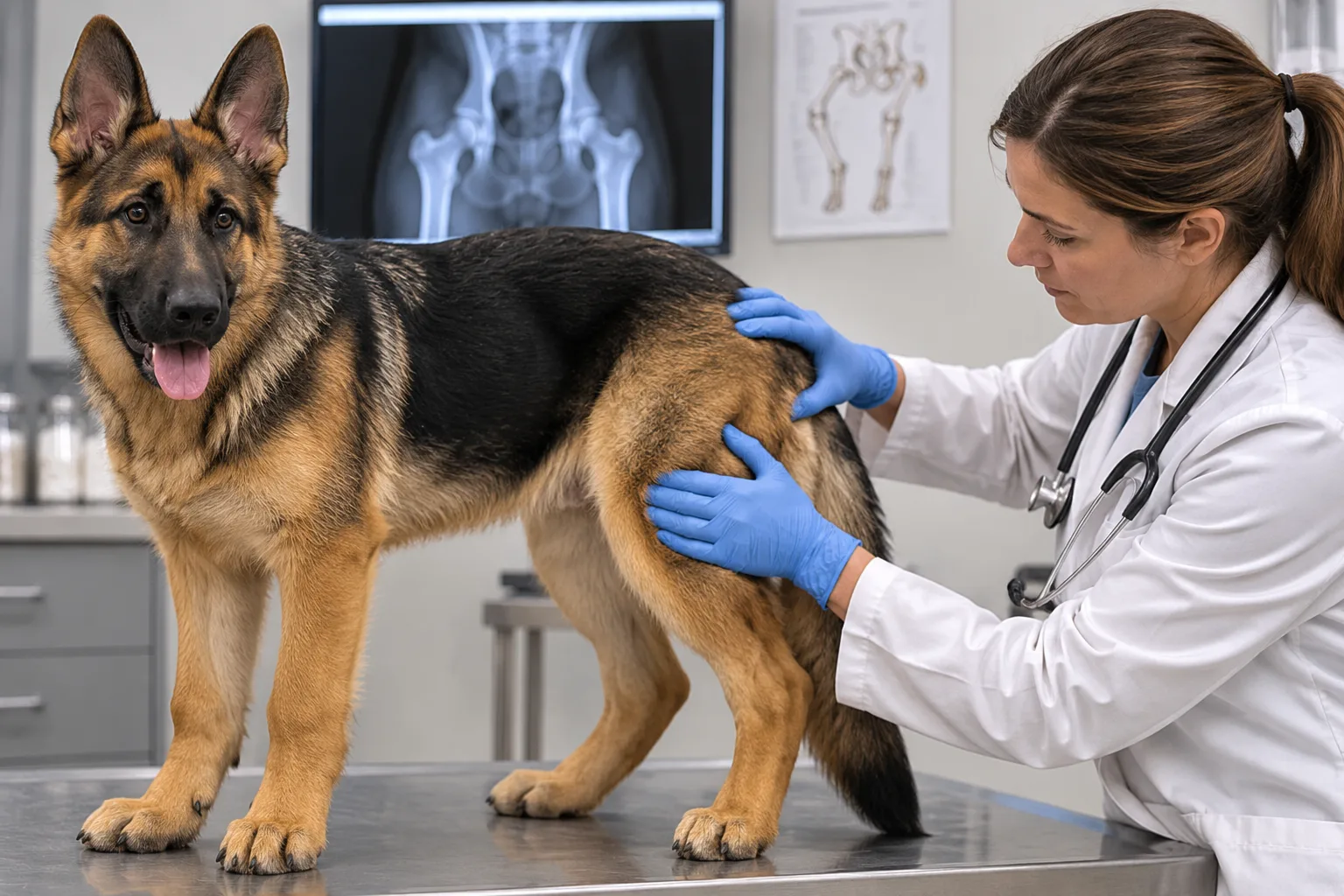
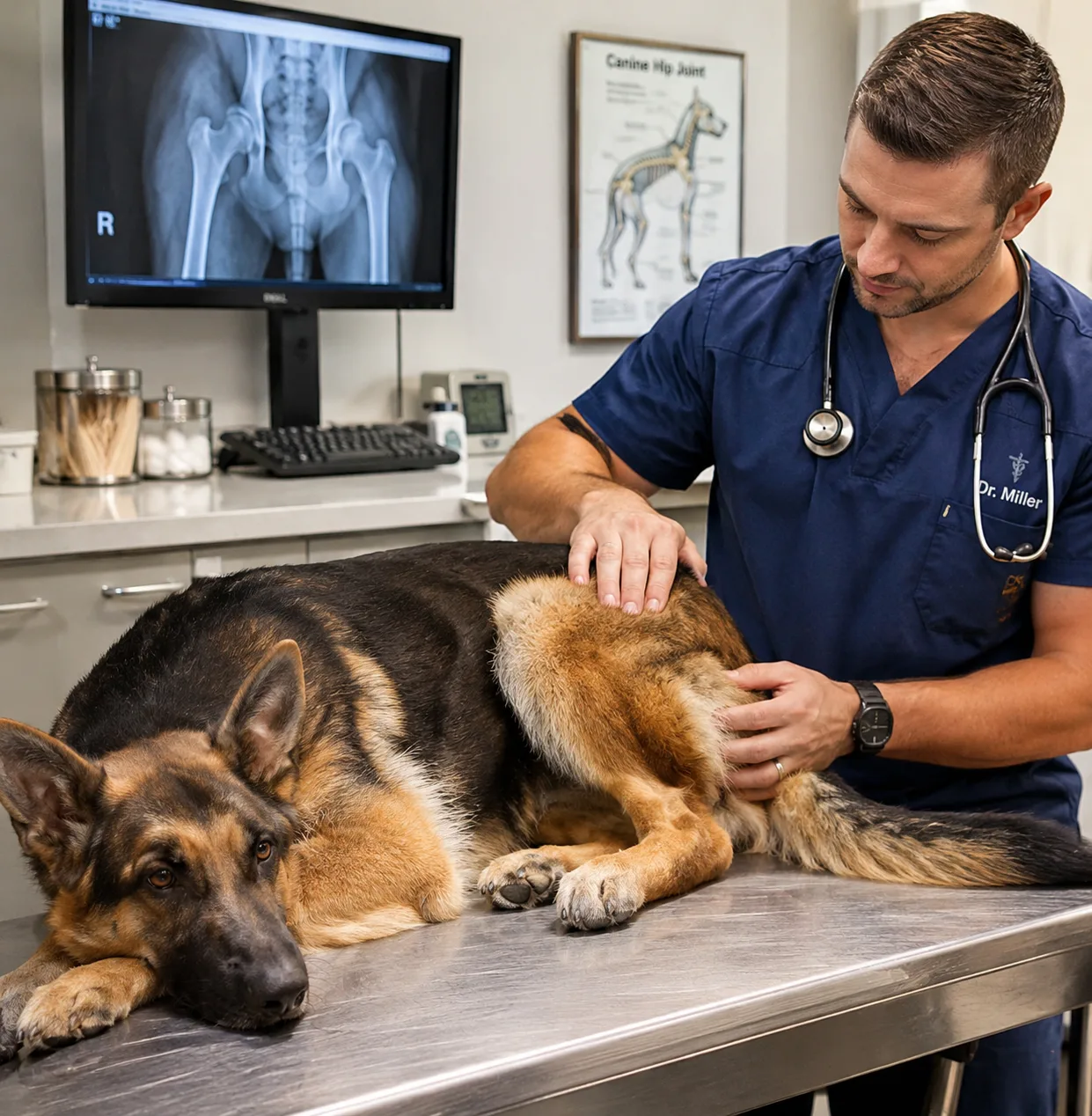
Key takeaways
- Look for changes such as stiffness, difficulty rising, reluctance to jump or a bunny-hopping gait.
- Only a veterinarian can diagnose hip dysplasia; X-rays and an orthopedic examination may be needed.
- Hip screening helps breeders assess risk, but no test can guarantee unaffected puppies.
Health information: This guide is educational and is not a diagnosis or a substitute for individual veterinary advice. Contact your veterinarian about concerns with your puppy or dog.
What is canine hip dysplasia?
The hip is a ball-and-socket joint. In dogs with hip dysplasia, the ball and socket develop with an abnormal fit or excessive looseness (joint laxity). Over time, that instability may contribute to inflammation, cartilage damage and osteoarthritis. Some dogs show pain early, while others have noticeable changes on X-rays but few outward signs. Hip dysplasia is not the same as every cause of rear-leg limping.
What healthy hips and hip dysplasia look like on X-rays
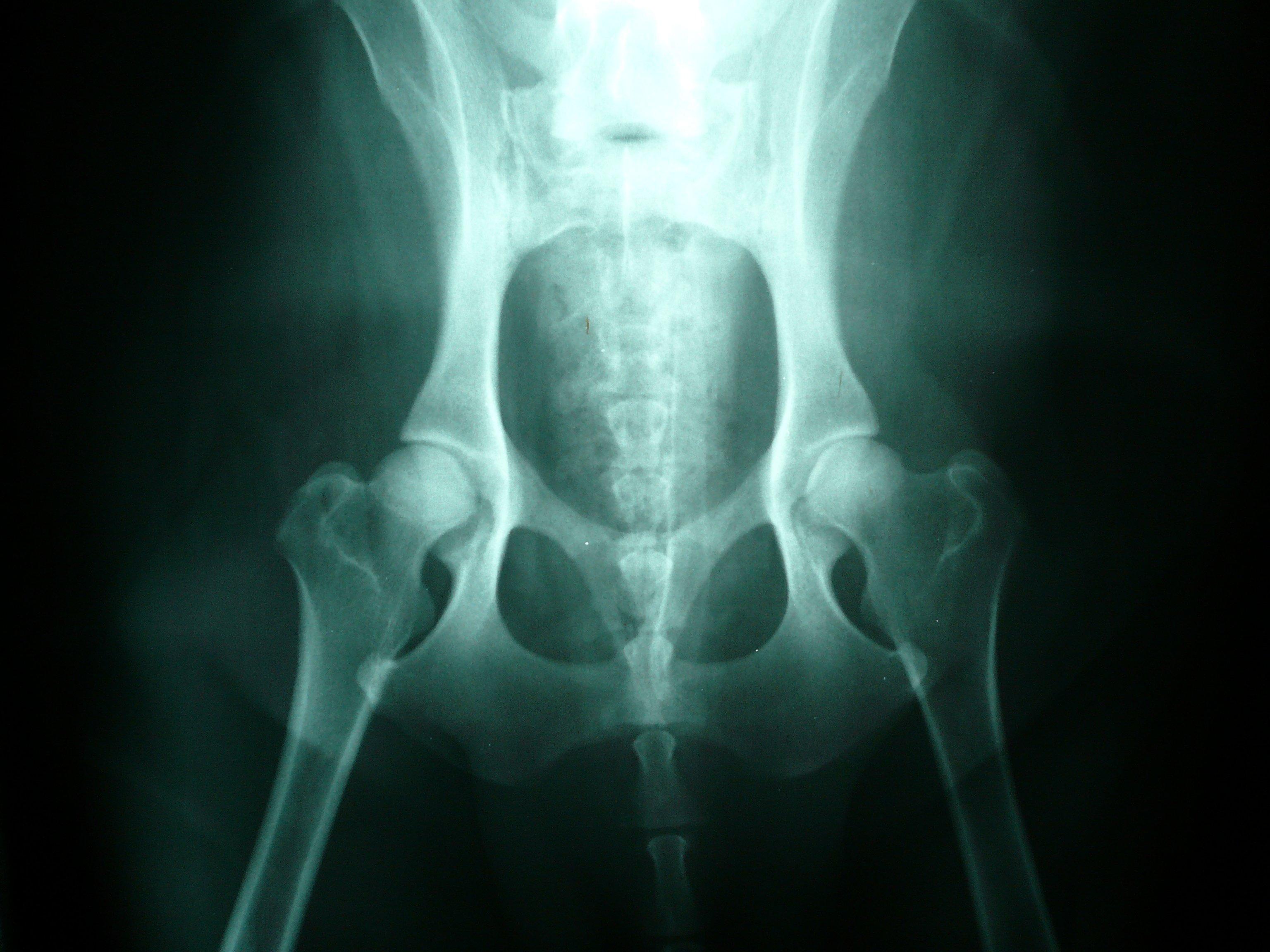
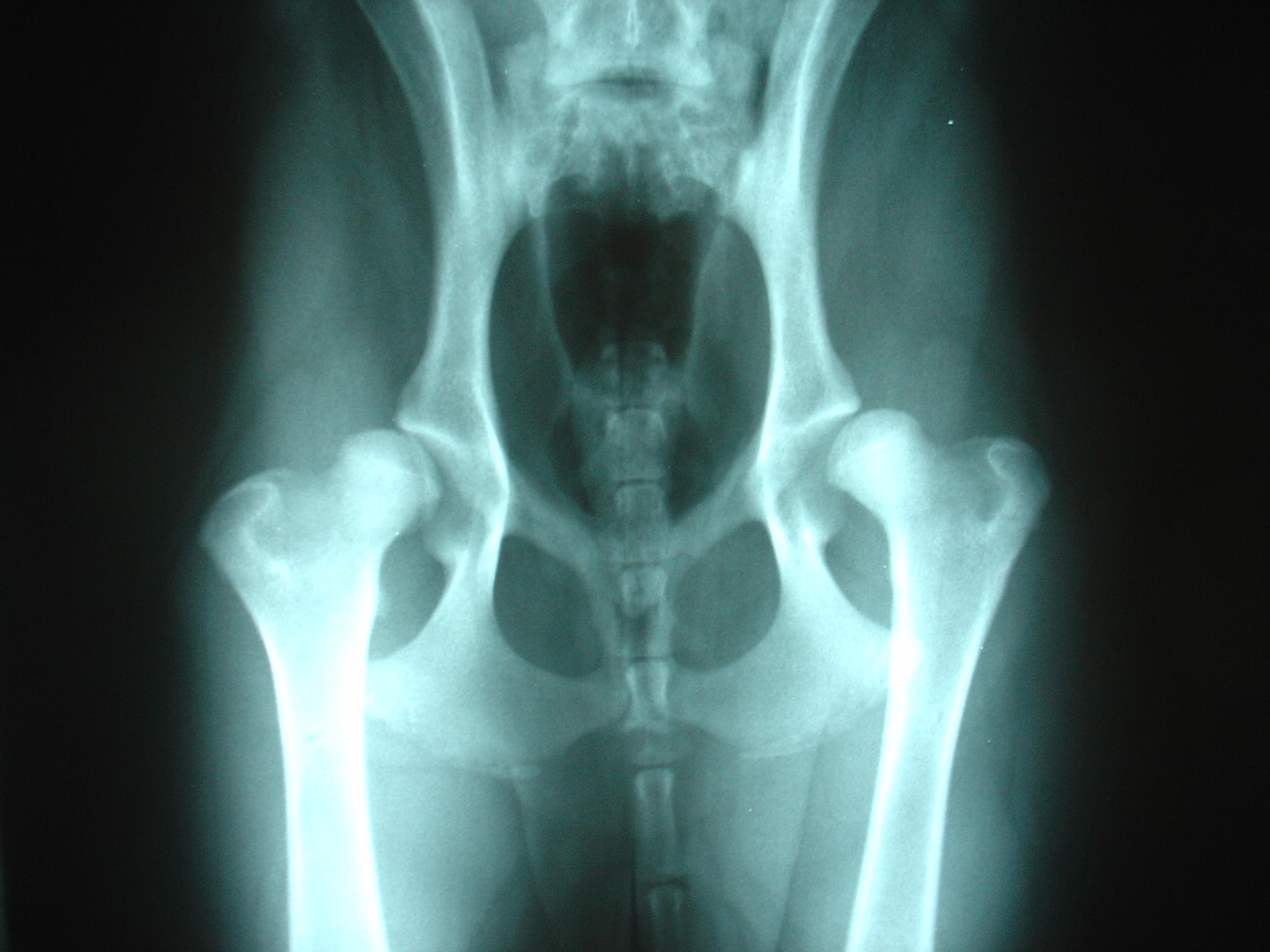
These real canine pelvic radiographs show different hip-joint appearances. The examples are educational: only a veterinarian or veterinary radiologist can interpret an individual dog's imaging.
12 possible warning signs of hip dysplasia in dogs
- Difficulty getting up after rest
- Stiffness after sleeping
- Reluctance to climb stairs
- Hesitation before jumping into a vehicle
- Bunny-hopping motion when running
- Swaying or unusual movement of the hindquarters
- Reduced interest in walks or play
- Tiring sooner than usual
- Limping in one or both rear legs
- Difficulty sitting or standing comfortably
- Loss of muscle around the hindquarters
- Discomfort when moving the hips
No single warning sign confirms hip dysplasia. Similar symptoms may result from injuries or other conditions, so ask a veterinarian to assess persistent or painful changes.
What do early symptoms look like in puppies?
A puppy may move awkwardly, avoid activity it previously enjoyed, struggle to rise or show an unusual gait. Some affected puppies have no obvious symptoms. Growing puppies can also limp because of injuries or other developmental orthopedic conditions. Do not assume a puppy has hip dysplasia from a single unusual step, and do not wait for severe symptoms before discussing persistent changes with your veterinarian.
Can adult dogs develop symptoms later?
Yes. Hip dysplasia develops as the joint grows, but symptoms may not become obvious until adulthood, sometimes when arthritis develops. Older dogs may seem stiff after resting, slow down on walks or have trouble getting into cars. Age-related arthritis and other joint or spinal problems can cause similar signs, so a veterinary examination is important.
What causes hip dysplasia?
Hip dysplasia is influenced by multiple genes and by environmental factors. Genetics plays a major role, while body condition, nutrition and growth management can affect joint stress and clinical outcomes. Being from a predisposed breed does not mean a dog will develop symptoms. Likewise, healthy-looking parents do not guarantee unaffected puppies.
Which breeds are at higher risk?
Hip dysplasia is frequently discussed in Labrador Retrievers, Golden Retrievers, German Shepherd Dogs, Rottweilers and several large or giant breeds. It can also occur in smaller and mixed-breed dogs. Risk varies among individuals and breeding lines. A breeder's documented health-screening results are more informative than breed labels alone.
How does a veterinarian diagnose hip dysplasia?
Diagnosis begins with the dog's medical history and an orthopedic examination. Your veterinarian may assess gait, range of motion, pain and joint stability, and recommend hip radiographs (X-rays). Sedation or anesthesia may be needed for accurate positioning and a safe, comfortable examination. X-rays can help identify joint abnormalities and arthritis, but the imaging findings and the dog's pain level do not always match.
OFA vs. PennHIP: what is the difference?
OFA hip evaluation and PennHIP are different radiographic assessment approaches. OFA evaluates hip conformation and assigns grades; final OFA hip certification generally requires the dog to be at least 24 months old. PennHIP evaluates hip joint laxity using specialized views and reports a distraction index; PennHIP evaluations can be performed at a younger age by trained veterinarians.
The methods are not interchangeable, and neither guarantees a puppy will be free of hip dysplasia. Ask your veterinarian or breeder which method was used and what the actual results mean.
Does a normal hip screening guarantee healthy puppies?
No. Hip dysplasia is a complex inherited condition, so even two screened breeding dogs may produce an affected puppy. Screening helps breeders make more informed decisions and may reduce risk over generations. Ask for the registered names of the sire and dam, the screening organization, the date and the results, and verify public records when available.
How is hip dysplasia treated?
Treatment depends on age, pain, joint changes and the dog's overall health. A veterinarian may recommend keeping the dog lean, a suitable activity plan, physical rehabilitation and prescribed pain management. In selected cases, surgery may be discussed, including procedures that differ according to the dog's age and joint condition. Never give human pain relievers to a dog unless a veterinarian specifically directs you to do so.
What can owners do at home?
Maintain a healthy body condition, feed an appropriate complete diet, provide comfortable footing on slippery floors and encourage regular activity within the dog's comfort level. Avoid forcing a painful dog to run, jump or climb stairs. Keep notes about when symptoms occur, how long they last and whether one or both hind legs are affected. These observations can help your veterinarian.
When should you seek veterinary care?
Arrange veterinary evaluation for persistent limping, difficulty rising, repeated reluctance to move or signs of pain. Seek urgent veterinary care if a dog suddenly cannot bear weight, has severe pain, is unable to stand, or has symptoms after an injury. Hip dysplasia is only one possible cause of these signs; prompt assessment can identify other serious problems.
Questions to ask before buying a puppy
Ask the breeder whether both parents had formal hip evaluations, which method was used, whether results can be independently verified and whether close relatives have known orthopedic problems. A routine 'vet checked' statement is not the same as documented hip screening. Also ask about feeding, growth, exercise and what the breeder's health agreement actually covers.
Frequently asked questions
Can a dog have hip dysplasia without limping? Yes; some dogs have few obvious signs. Is bunny hopping always hip dysplasia? No; gait changes have multiple causes. Can hip dysplasia be cured with supplements? Supplements do not correct abnormal joint structure; discuss evidence and safety with your veterinarian. Can small dogs get it? Yes, although some large breeds are more commonly associated with the condition.
Trusted sources and further reading
For details about hip evaluation methods and grading, consult the Orthopedic Foundation for Animals (OFA) at ofa.org and the PennHIP program at pennhip.org. For an individual dog, a veterinarian is the appropriate source for diagnosis and treatment recommendations.
Trusted organizations to consult
Explore these independent educational resources. Linking to them does not mean this article has been reviewed or endorsed by their organizations.
- Canine hip dysplasia and screening ↗Orthopedic Foundation for Animals
- What hip grades mean ↗Orthopedic Foundation for Animals
Helpful supplies for joint comfort
Practical home aids can make movement easier. These are product categories to discuss with your veterinarian, not treatments for hip dysplasia.
Joint supplements do not correct abnormal hip structure. Check ingredients, dose and medication interactions with your veterinarian before buying.
As an Amazon Associate, Reserve a Pup earns from qualifying purchases. These links open Amazon searches; prices, availability and products are determined by Amazon.