
 👁 10 views
Male 4
Labrador Retriever
✓ ID Verified$1,600
DARTMOUTH, MA
Labradors descend from water-working retrievers associated with Newfoundland and were refined as versatile sporting dogs.
Labrador Retrievers are sociable sporting dogs known for retrieving, swimming and working alongside people. They thrive with active families who enjoy training and outdoor activities.
Editorially reviewed breed-level estimates. These are not scientific measurements or guarantees. For exercise, grooming and space, higher means greater needs; for other traits, higher means more of that tendency. Every dog is an individual; upbringing, age and health matter.
Labradors are typically friendly, enthusiastic and people-oriented. Young dogs can be boisterous, mouthy and highly food motivated; training and maturity help develop steadier manners.
Ask breeders how their adult dogs behave around visitors, children, unfamiliar animals and everyday household activity. Meet the parents when possible, and discuss how puppies are socialized.
Many enjoy family life and other dogs, but energetic adolescents may accidentally knock over small children. Supervise all child-dog interactions.
Positive reinforcement, retrieving games, loose-leash walking and impulse-control exercises are especially useful. Manage food rewards to avoid overfeeding.
Their short double coat sheds throughout the year, sometimes heavily. Weekly brushing and routine ear care are useful, especially for swimmers. Grooming needs vary with coat length, age and lifestyle. Plan for routine nail trimming, ear checks, dental care and professional grooming when appropriate.
A suitable home for a Labrador Retriever should account for the breed's large size and its typical activity level. Space alone is not a substitute for attention, socialization, safe exercise and consistent routines.
Families with young children or other pets should discuss introductions and supervision with the breeder rather than relying on a breed label alone.
Adults generally need daily walks, play, swimming or retrieving, plus mental enrichment. Keep puppy exercise age appropriate. Reward-based training, age-appropriate exercise and mental enrichment help build confidence and good household habits. Puppies need shorter, carefully managed activity than mature dogs.
Discuss hip, elbow and eye screening and relevant inherited conditions, including exercise-induced collapse and progressive retinal atrophy.
Request the actual health-test results for both parents, ask which tests are recommended for this breed, and review veterinary records. No screening can guarantee that a puppy will never develop a health condition.
Well suited to active homes seeking an engaged, trainable companion and willing to provide daily exercise.
Friendly, outgoing, eager to learn. Individual personalities can vary, so ask about the parents and the puppy's behavior.
High; daily exercise and enrichment. Your veterinarian can advise on age-appropriate activity.
Weekly brushing; seasonal shedding. Coat maintenance varies by individual.
Ask about hip, elbow, eye and breed-relevant genetic health screening. Request parent health-screening records and ask about the puppy's veterinary care.
Compare other breeds in the Sporting group before choosing a puppy.
Thinking about a Labrador Retriever puppy? Learn about the individual breeder, the parent dogs, expected adult size, activity needs, grooming requirements and health history before choosing.
Dogs vary individually. Ask your breeder and veterinarian for breed-specific health and care guidance.
👁 10 viewsLabrador Retriever
DARTMOUTH, MA
 👁 4 views
Labrador Retriever
DARTMOUTH, MA
 👁 6 views
Labrador Retriever
DARTMOUTH, MA
 👁 16 views
Labrador Retriever
DARTMOUTH, MA
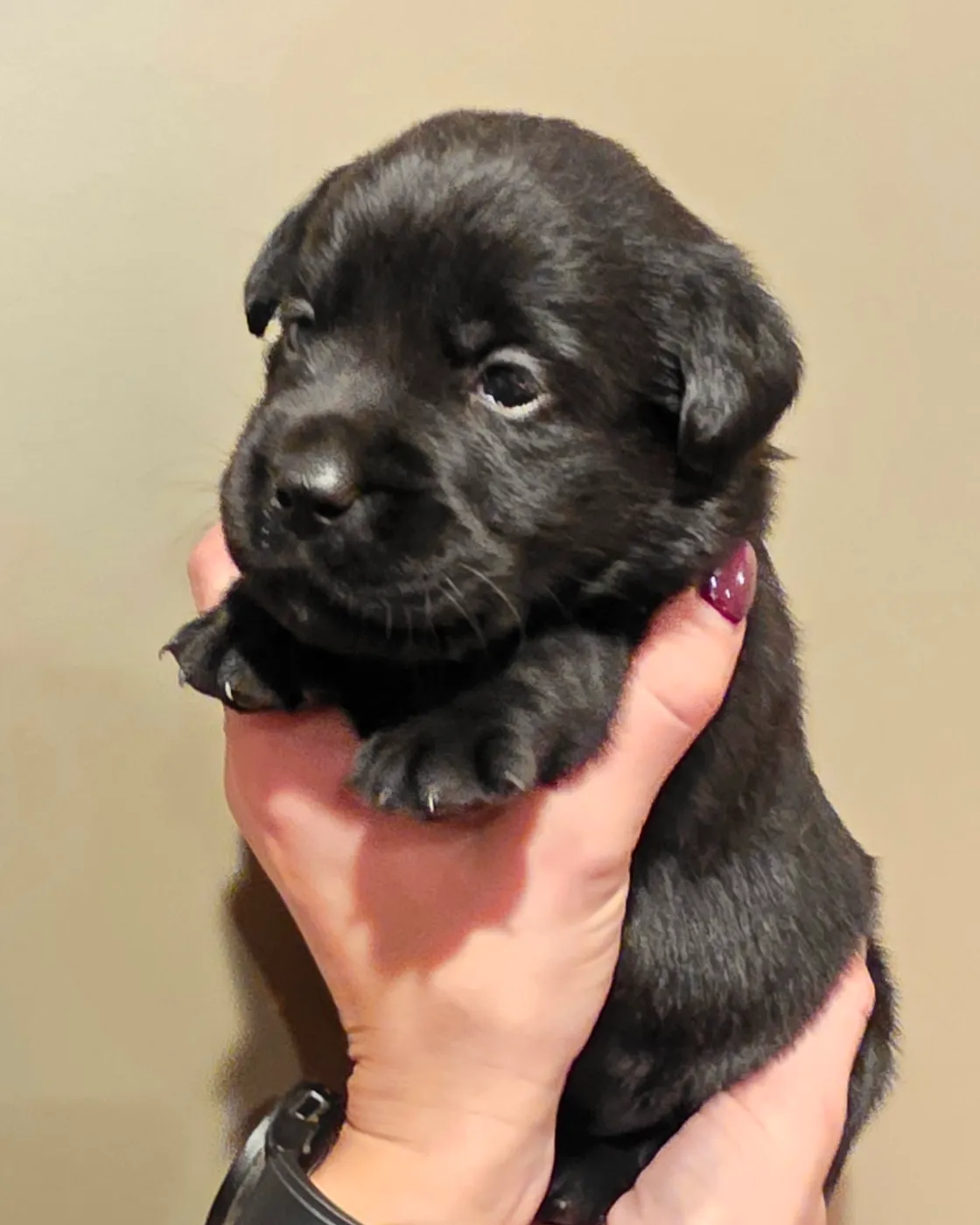 👁 8 views
Labrador Retriever
DARTMOUTH, MA
 👁 4 views
Labrador Retriever
DARTMOUTH, MA
 👁 4 views
Labrador Retriever
DARTMOUTH, MA
 👁 16 views
Labrador Retriever
DARTMOUTH, MA
Browse Labrador Retriever puppy listings · Puppy buyer guide · All dog breeds