
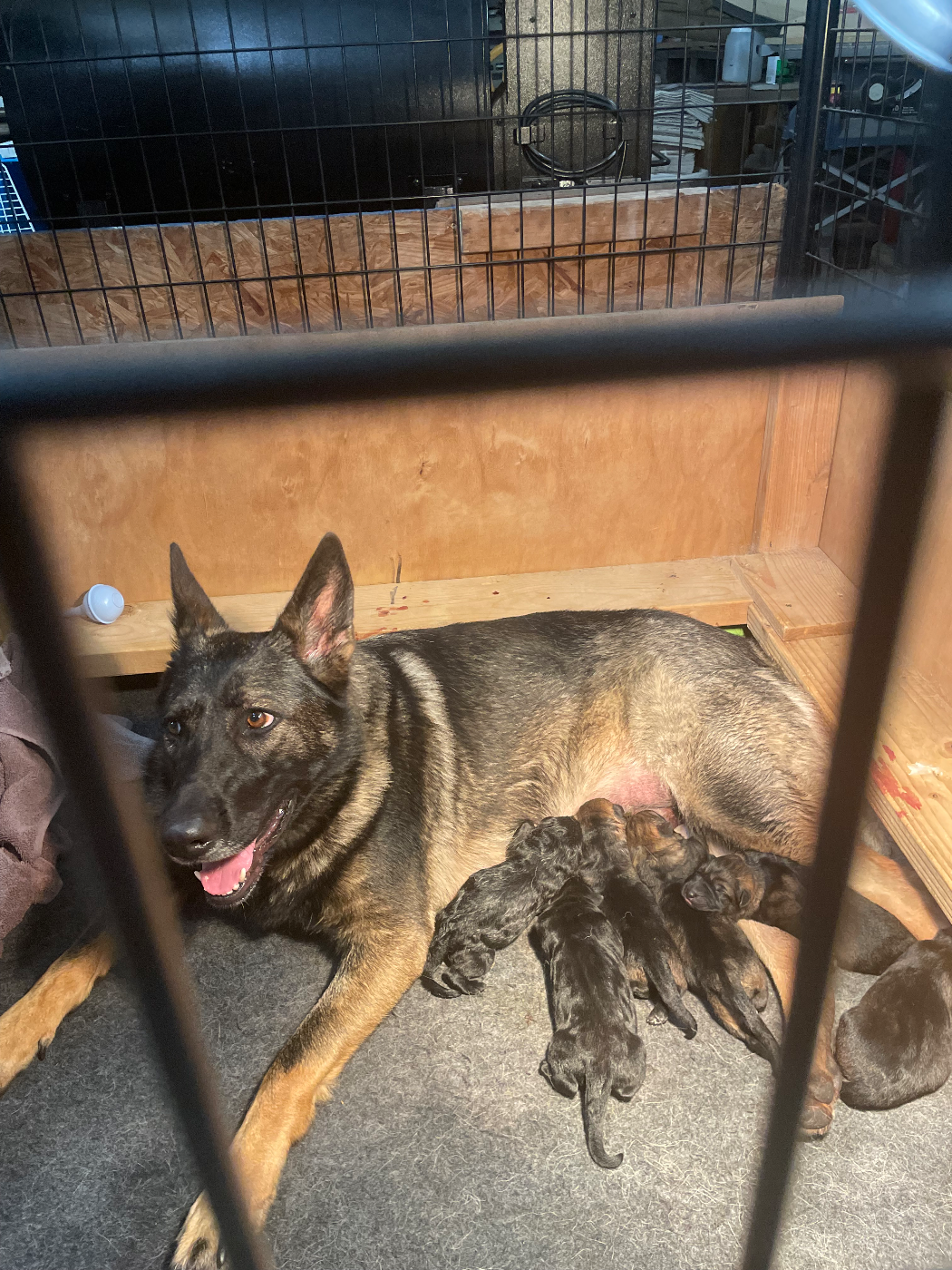
 👁 34 views
lonewolffk9
german shepherd
$2,000
foristell, mo
German Shepherd Dogs originated in Germany as versatile sheep-herding and working dogs, valued for stamina, focus and responsiveness.
German Shepherd Dogs are versatile herding and working dogs that excel with structured training, socialization and meaningful daily activities.
Editorially reviewed breed-level estimates. These are not scientific measurements or guarantees. For exercise, grooming and space, higher means greater needs; for other traits, higher means more of that tendency. Every dog is an individual; upbringing, age and health matter.
They are often devoted, alert and sensitive to their environment. Temperament varies significantly across working and companion lines, so meeting the parents is important.
Ask breeders how their adult dogs behave around visitors, children, unfamiliar animals and everyday household activity. Meet the parents when possible, and discuss how puppies are socialized.
With appropriate breeding and socialization they can be family companions, but their size, protective tendencies and activity level demand supervision and clear routines.
Prioritize reward-based obedience, neutrality around strangers, confidence-building and appropriate outlets for drive. Avoid training that encourages fear or uncontrolled guarding.
Their double coat sheds regularly and heavily during seasonal changes. Brush several times weekly as needed. Grooming needs vary with coat length, age and lifestyle. Plan for routine nail trimming, ear checks, dental care and professional grooming when appropriate.
A suitable home for a German Shepherd should account for the breed's large size and its typical activity level. Space alone is not a substitute for attention, socialization, safe exercise and consistent routines.
Families with young children or other pets should discuss introductions and supervision with the breeder rather than relying on a breed label alone.
They need substantial daily physical activity and mental work, such as tracking games, training and structured play. Reward-based training, age-appropriate exercise and mental enrichment help build confidence and good household habits. Puppies need shorter, carefully managed activity than mature dogs.
Discuss hip and elbow testing, degenerative myelopathy where relevant, and overall soundness and temperament.
Request the actual health-test results for both parents, ask which tests are recommended for this breed, and review veterinary records. No screening can guarantee that a puppy will never develop a health condition.
Best for owners prepared for ongoing training, exercise and responsible management of a large working dog.
Intelligent, alert, devoted. Individual personalities can vary, so ask about the parents and the puppy's behavior.
High; physical and mental work. Your veterinarian can advise on age-appropriate activity.
Regular brushing; substantial shedding. Coat maintenance varies by individual.
Ask about hip and elbow screening and the temperaments of both parents. Request parent health-screening records and ask about the puppy's veterinary care.
Compare other breeds in the Herding group before choosing a puppy.
Thinking about a German Shepherd puppy? Learn about the individual breeder, the parent dogs, expected adult size, activity needs, grooming requirements and health history before choosing.
Dogs vary individually. Ask your breeder and veterinarian for breed-specific health and care guidance.
👁 34 viewsgerman shepherd
foristell, mo
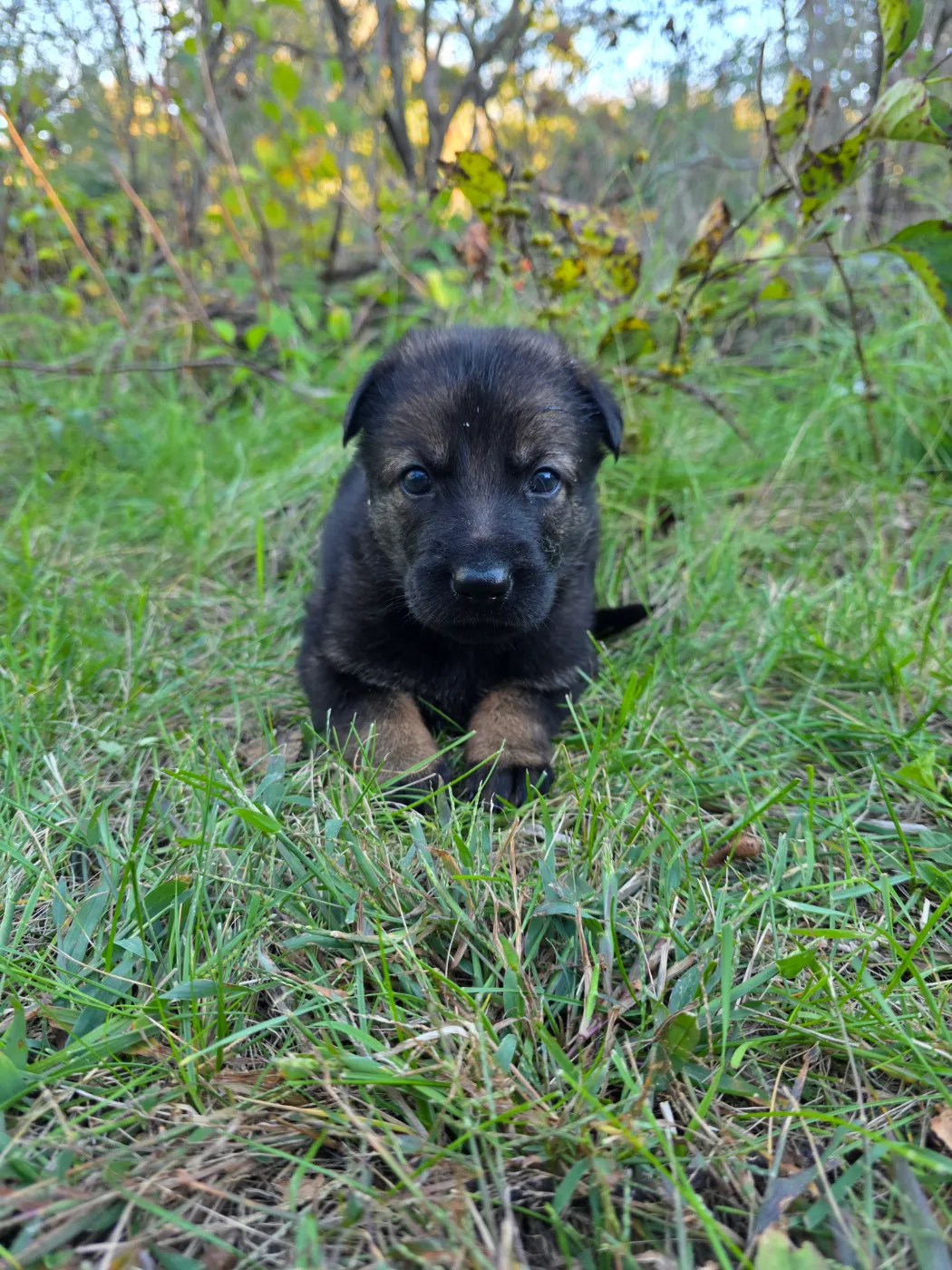 👁 10 views
German Shepherd Dog
Dartmouth, Ma
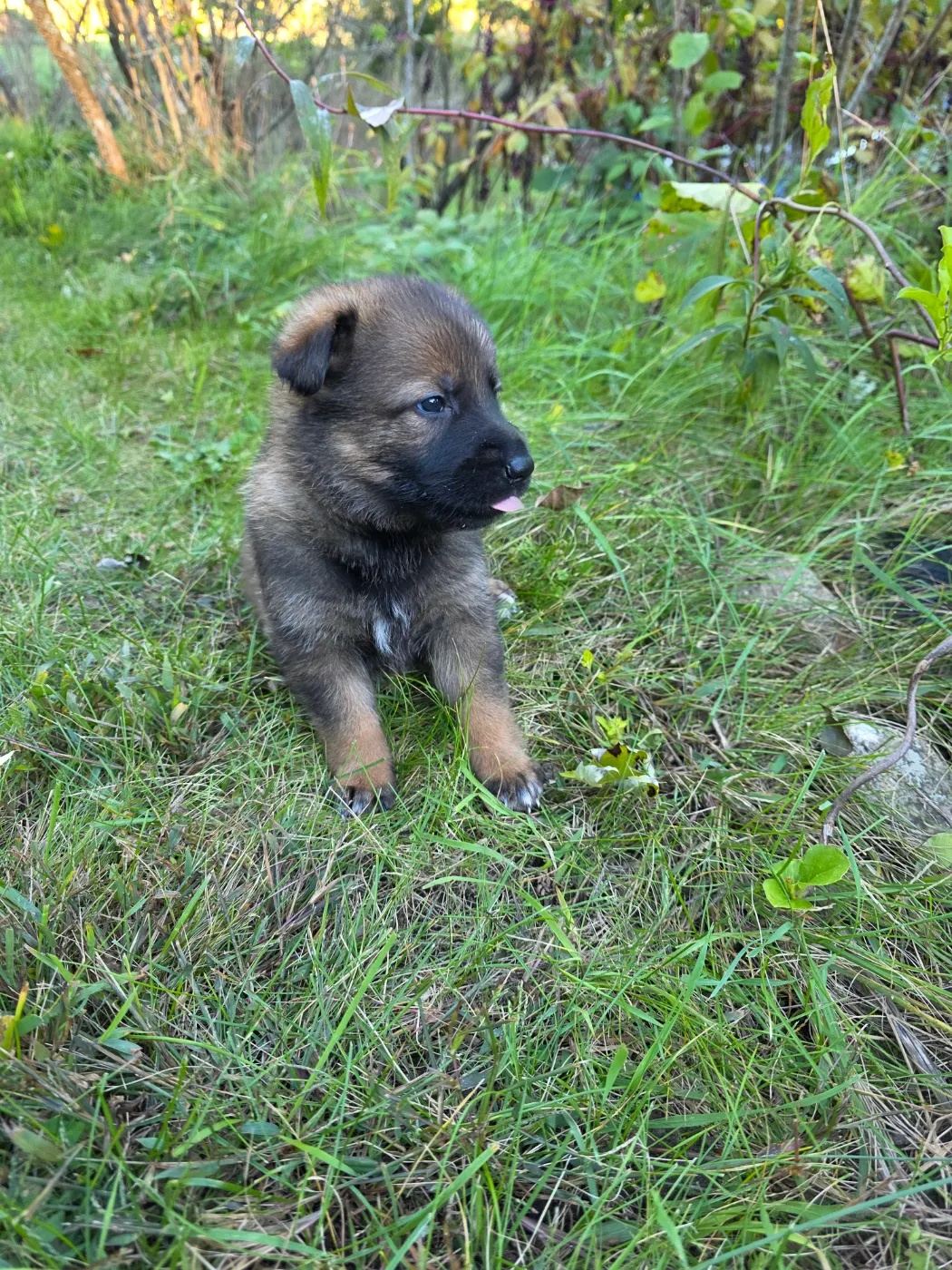 👁 66 views
German Shepherd Dog
Dartmouth, Ma
👁 7 viewsgerman shepherd
foristell, mo
Browse German Shepherd puppy listings · Puppy buyer guide · All dog breeds